Ford Ranger EV: Why It's Not Coming Anytime Soon for WA Buyers
Ford says current EV tech and charging infrastructure can't meet the demands of real ute work in Australia.
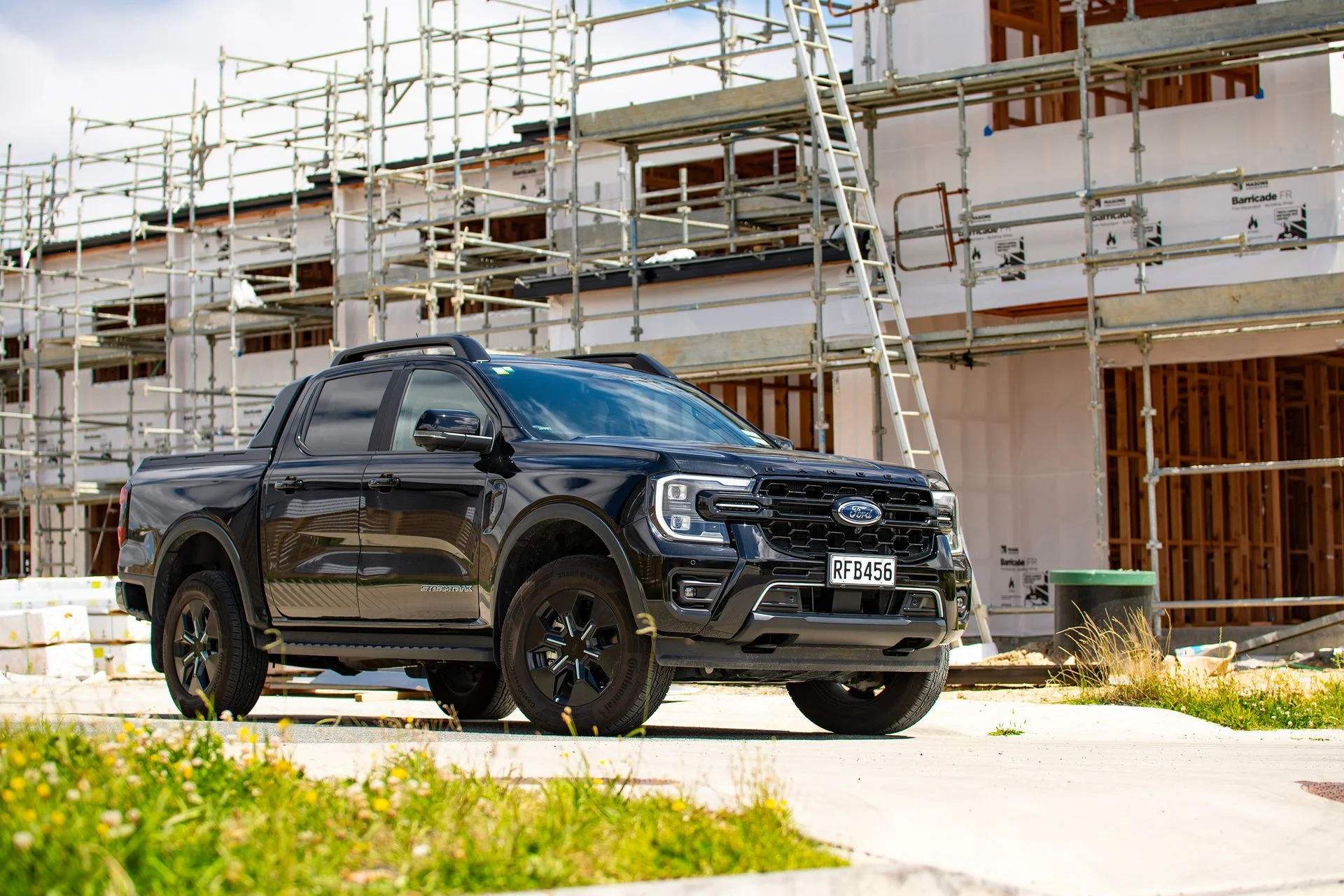
If you've been quietly hoping a fully electric Ford Ranger would show up in WA dealerships in the next few years, Ford has a reality check for you: it's not happening anytime soon.
At the launch of the MY2026.50 Ranger and Everest, Ford confirmed it is looking at an all-electric Ranger — but that current battery technology and Australia's charging network simply aren't up to the job.
The Tech Isn't There Yet
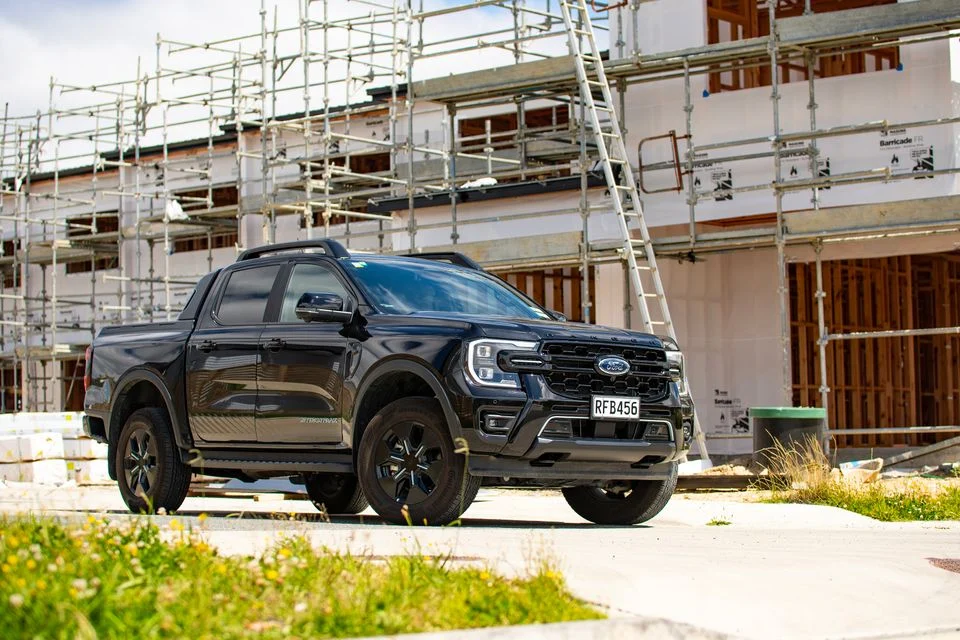
Ford's vehicle program director for the T6 platform, Mario Brandini, was blunt about it. The Ranger, Everest, and Volkswagen Amarok all share this platform, and delivering the capability these vehicles are known for in a pure-electric package runs into hard physical limits.
"You could [make a Ranger EV] if the technology allowed it to deliver the capability we're looking for," Brandini said. "At the moment, full EV in terms of what this type of vehicle can do — the laws of physics — you can't get there. But that doesn't mean you can't in the future."
For WA buyers, that's not abstract. A Ranger doing tow work on a cattle station east of Kalgoorlie, or hauling a boat trailer down to Mandurah on a long weekend, is asking a lot more of a drivetrain than a Hyundai Ioniq 6 commuting between Subiaco and the CBD. Ford says EV technology is delivering well in small and medium SUVs — but towing 3,500kg is a different conversation entirely.
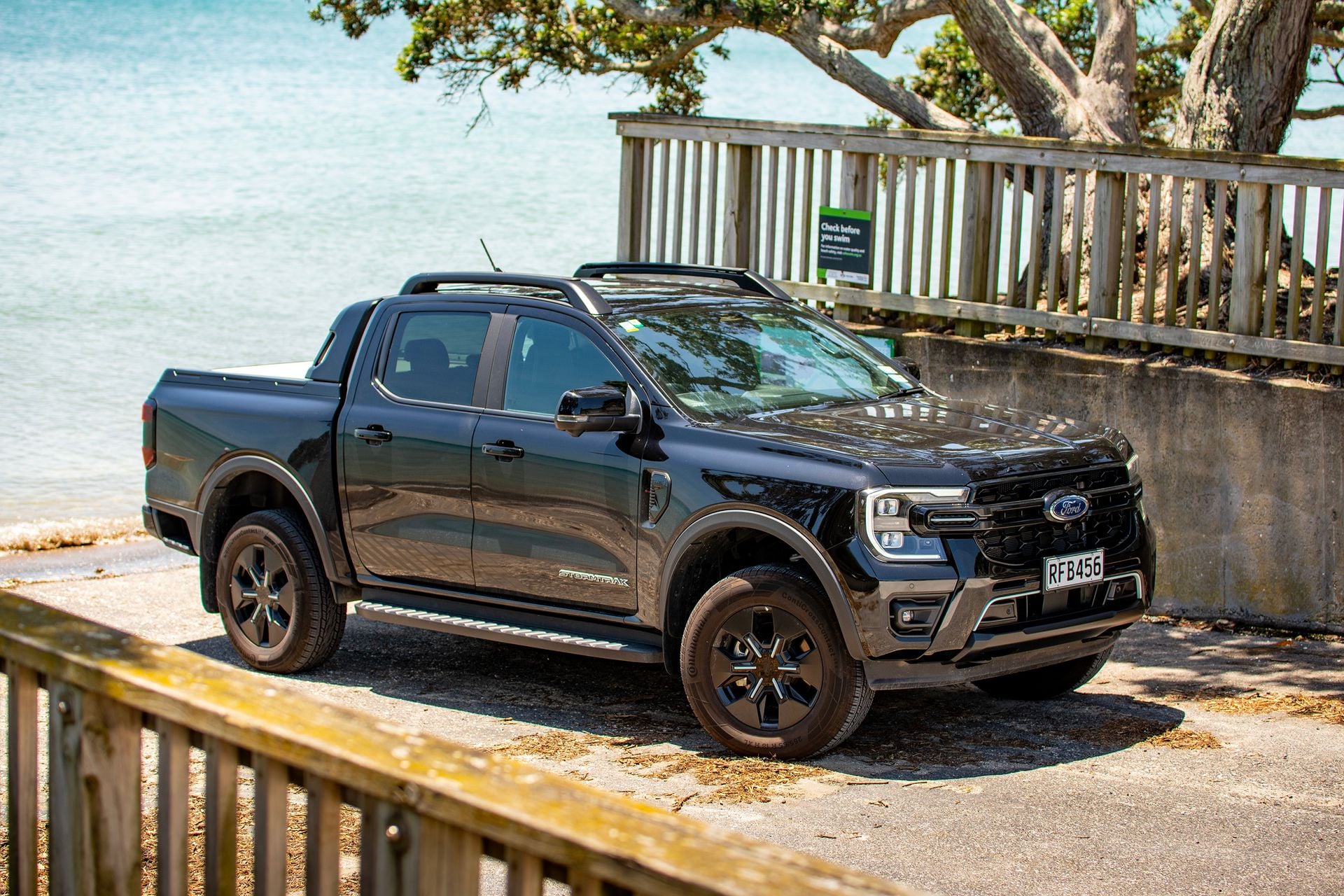
WA's Infrastructure Gap Makes It Worse
Ford Australia's marketing director Ambrose Henderson pointed directly at Australia's charging infrastructure as the other major blocker — and in WA, this hits harder than most states.
"When you think about what these customers do and the infrastructure that's available around Australia, there's not a point yet where a full BEV is going to be delivered for these customers," Henderson said.
That's a fair call when you look at the map. Drive north from Perth toward Port Hedland, or east toward the South Australian border, and fast chargers are few and far between. For tradies running between job sites in the Pilbara, or families crossing the Nullarbor, range anxiety with a heavy load on the towball isn't a minor inconvenience — it's a genuine problem.
The Ranger Hybrid PHEV, launched locally last year, is where Ford is placing its bets for now. It delivers the same 3,500kg towing capacity as the diesel, with fuel savings on shorter runs. It's a practical middle ground for WA buyers who want to cut fuel costs around Perth without giving up capability when they head bush.
What Else Is Out There?
The electric ute space in Australia is still thin. The LDV eT60 has been available but hasn't sold in meaningful numbers. The new KGM Musso EV uses a unibody construction rather than a proper ladder frame — which rules it out for serious off-road or tow work. The Toyota HiLux BEV is arriving in local showrooms shortly, built on a traditional body-on-frame platform, which makes it the most legitimate contender yet. MG's U9 EV and the Isuzu D-Max EV have both been confirmed for Australia, but neither has a firm local launch date.
For most WA ute buyers right now, diesel and plug-in hybrid remain the practical choice. Ford's position isn't defeatist — it's an honest read of where the technology and infrastructure actually stand. When a Ranger EV does eventually arrive, you'd want it to work as hard as the one you're replacing.
Get WA car news in your inbox
New reviews and buying guides for Western Australian buyers.