Honda Super-One EV: What WA Buyers Need to Know Before 2026
Honda's first electric car for Australia is coming — here's what it costs and how it stacks up.
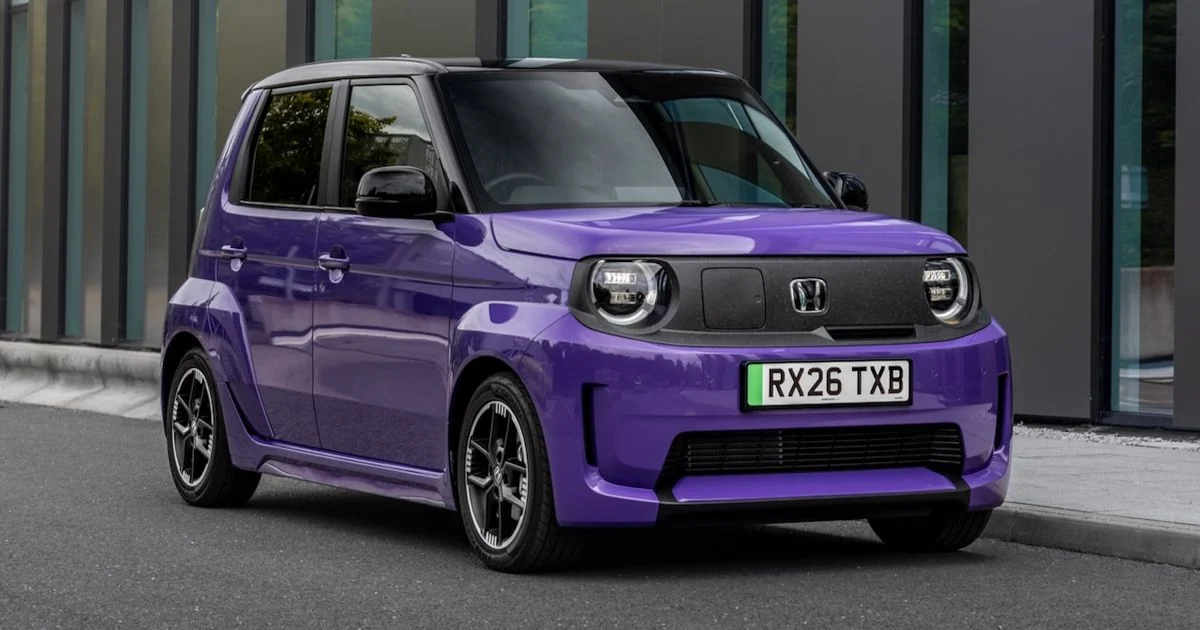
Honda is finally bringing an electric vehicle to Australia, and if the pricing lands anywhere near what Japan is paying, it could be a serious option for Perth commuters looking to ditch the bowser.
What Is the Honda Super-One and What Will It Cost?
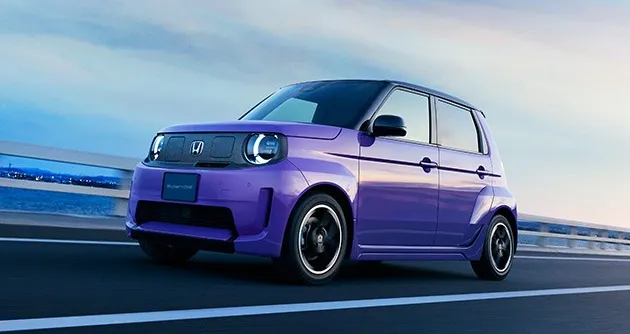
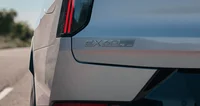
The 2027 Honda Super-One is a compact electric hot hatch based on the Honda N-One e, built for urban driving. Honda has launched it in Japan priced from 3,390,200 yen — roughly A$30,000 at current exchange rates. That's a tempting number, but don't lock that in just yet.
Once you factor in shipping, compliance costs, and Honda Australia's margin, the real-world driveaway price is likely to land closer to $35,000. That's still competitive, putting it squarely up against the BYD Dolphin, MG4 Urban, and Hyundai Inster — all of which are already on WA roads and selling well.
For comparison, the Honda Civic e:HEV retails for around 4,094,200 yen in Japan (~A$36,000), but Australians pay $49,900 driveaway. Honda's local pricing history suggests you should budget above the Japanese sticker price.
Specs: Built for the City, Not the Nullarbor
Let's be straight about what the Super-One is and isn't. It produces 70kW and 162Nm from a single front-mounted electric motor — enough for Perth's suburbs and stop-start traffic on the Mitchell Freeway, but this isn't a car you'd want to take on a run to Kalgoorlie without careful planning.

Honda claims up to 274km of range under WLTC testing. Real-world range in WA's summer heat will likely be lower, so factor that in if you're regularly driving between outer suburbs. For most Perth metro commutes — averaging under 50km a day — it's more than adequate, and with WA's relatively high fuel prices, the savings on petrol will add up fast.
The Japanese-spec model comes fully loaded: 15-inch alloy wheels, flared wheel arches, LED headlights, a 7.0-inch digital instrument cluster, 9.0-inch touchscreen, and an eight-speaker Bose sound system. There's also a 'Boost' drive mode. Whether all of that carries over to the Australian spec hasn't been confirmed yet.
It's a strict four-seater, so families needing five seats should look elsewhere.
Why Honda Is Bringing an EV to Australia Now
The federal government's New Vehicle Efficiency Standard (NVES) is the elephant in the room. Honda currently sits at $2.6 million in fines from the first NVES performance period, which ended in 2025. The company needs to either sell more low-emission vehicles or buy credits from carmakers already under the CO2 targets — neither is cheap or sustainable long term.
Globally, Honda has been scaling back its EV ambitions and leaning harder into hybrids, particularly as North American demand for EVs has softened. Australia is getting more hybrid variants of the CR-V and ZR-V, plus the new Prelude hybrid, but the Super-One will be Honda's first proper battery-electric vehicle sold here.
The Super-One is expected to arrive in the second half of 2026. If you're in the market for a compact EV around that price point, it's one to watch — but given Honda's track record with local pricing, go in with realistic expectations and compare the final driveaway figure carefully before signing anything.
Get WA car news in your inbox
New reviews and buying guides for Western Australian buyers.