If Your Next Mazda or VW Is Built in China, Does the Badge Still Matter?
Legacy car brands are leaning hard on Chinese manufacturing partners — and WA buyers should be paying attention.
The car industry is going through one of its biggest identity crises in decades, and if you're shopping for a new vehicle in Western Australia right now, it affects you directly.
Major manufacturers — brands you've trusted for years — are increasingly building cars in partnership with Chinese companies. Not just assembling them there, but co-developing them, sometimes with the Chinese partner doing the bulk of the engineering work. The badge on the bonnet stays the same. What's underneath it? That's the question worth asking.
The Brands You Know, Built in Ways You Might Not Expect
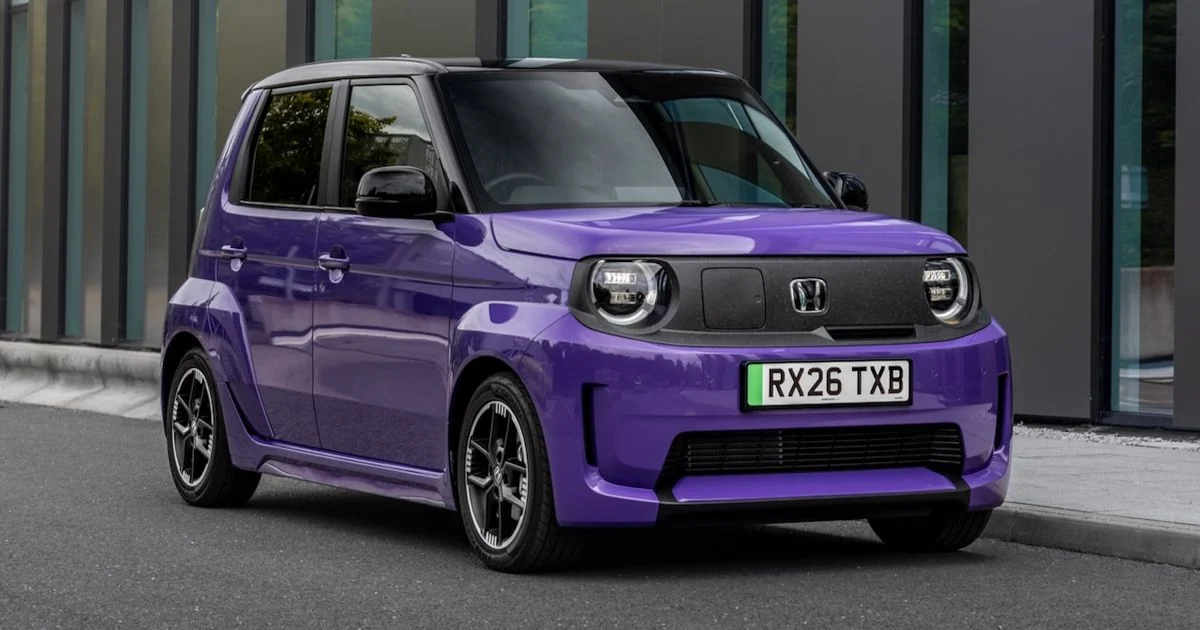
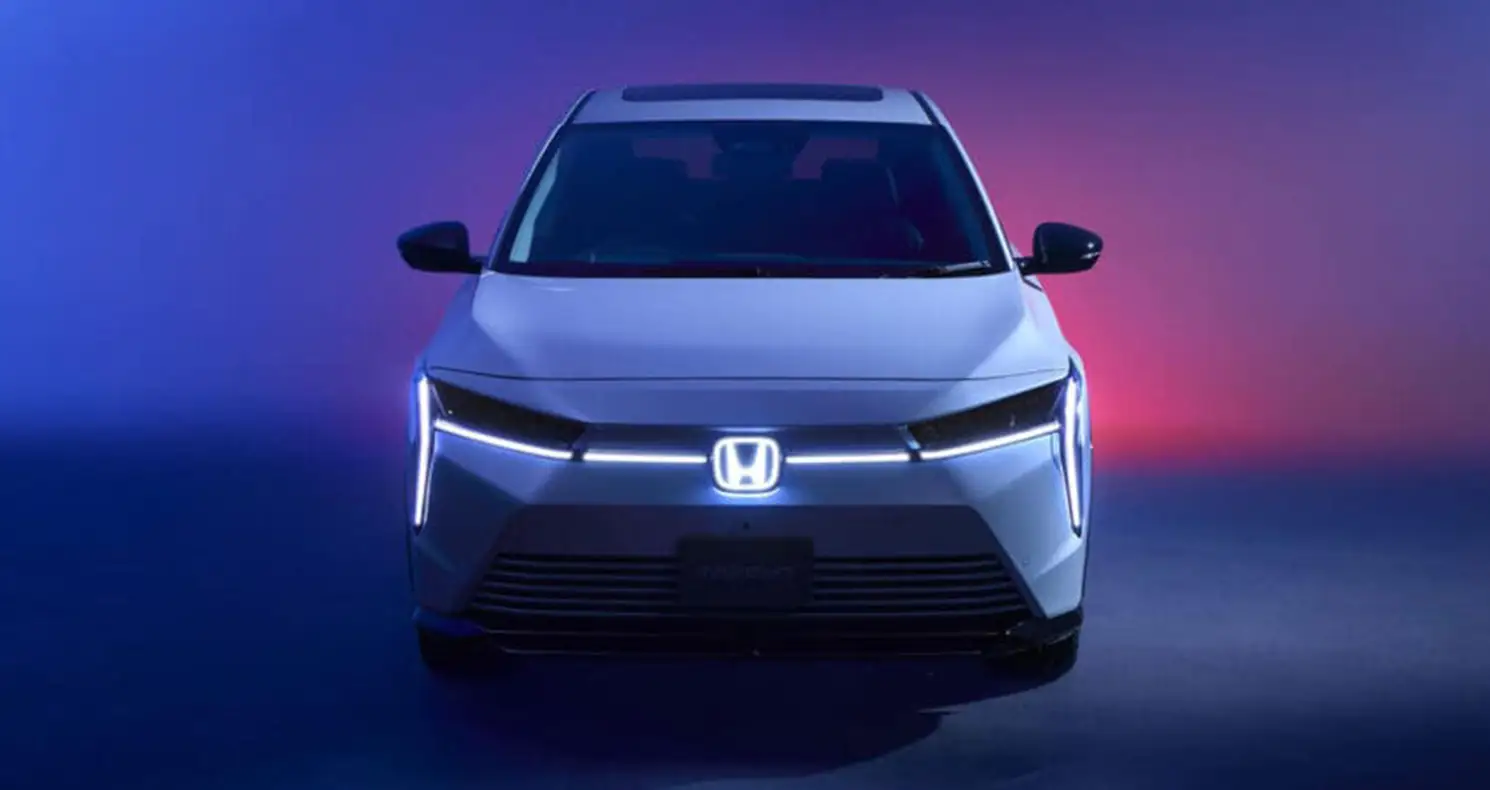
Here's where things stand. Mazda has the 6e and CX-6e, both produced in partnership with Changan Automobiles. Nissan is leaning on Dongfeng for a growing number of models, including the Frontier Pro ute. Honda has shelved its own in-house EV development to use Chinese-developed models instead. Toyota has the bZ7, developed with GAC. Volkswagen has the 9X, produced with SAIC.
Not all of these are headed to Australian showrooms. But some are, and the list will grow. The honest reality is that some of these vehicles look and feel less like the brand on their badge and more like a Chinese car wearing a familiar logo — close, but subtly off. Think Aldi versus the name-brand equivalent. Usually fine. But not quite the same thing.
For WA buyers, this matters more than it might in other states. A lot of driving here is serious driving — long hauls between Perth and regional centres, corrugated dirt roads in the Pilbara or Kimberley, summer heat that punishes an underpowered or poorly engineered vehicle fast. Brand loyalty in WA has often been built on durability and reliability under real-world conditions, not just city commuting.
The Impossible Choice Facing Legacy Brands
Legacy manufacturers are stuck between two bad options. Do nothing, and get outpriced and outspecced by purpose-built Chinese brands — BYD, GWM, Chery and others already have real footholds in WA dealerships. Or partner up with Chinese manufacturers, get access to fast, affordable production, and risk diluting the engineering identity that made the brand worth buying in the first place.
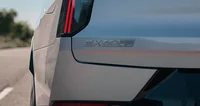
Volkswagen's own Australian team has been clear that driving dynamics and engineering depth are what separate their cars from cheaper Chinese alternatives. That argument holds weight — for now. But if more of VW's lineup is co-produced with Chinese partners, how long before that distinction gets harder to defend?
The optimistic read is that the best of both worlds is achievable: decades of European or Japanese engineering know-how, combined with China's speed and cost efficiency, could actually produce better cars at better prices. There's a real argument for that.
The pessimistic read is that badge value gets hollowed out, and buyers end up paying a Mazda or Nissan premium for what is functionally a rebranded Chinese product.
What This Means When You're Actually Buying a Car
If you're in the market right now, the practical takeaway is this: don't buy on badge alone. With so much change happening at the manufacturing level, the questions to ask at any WA dealership are where the vehicle was developed, who engineered the key systems, and what the local warranty and parts support looks like.
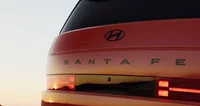
WA's vast distances and variable conditions mean that after-sales support and parts availability aren't just nice to have — they're essential. Whether the car on the lot is a traditional Japanese build or a new Sino-legacy co-production, those fundamentals matter just as much as the badge above the grille.
Get WA car news in your inbox
New reviews and buying guides for Western Australian buyers.