PHEV Utes Compared: Which One Makes Sense for WA Buyers?
From under $50k to over $60k, four plug-in hybrid utes are now fighting for your money — here's how they stack up.
Diesel has ruled the ute segment in WA for decades, but plug-in hybrid utes are arriving fast and forcing buyers to reconsider. Whether you're doing daily runs around Perth or heading out on long stretches to regional WA, the case for a PHEV ute is getting harder to ignore — especially with fuel prices staying stubbornly high at the bowser.
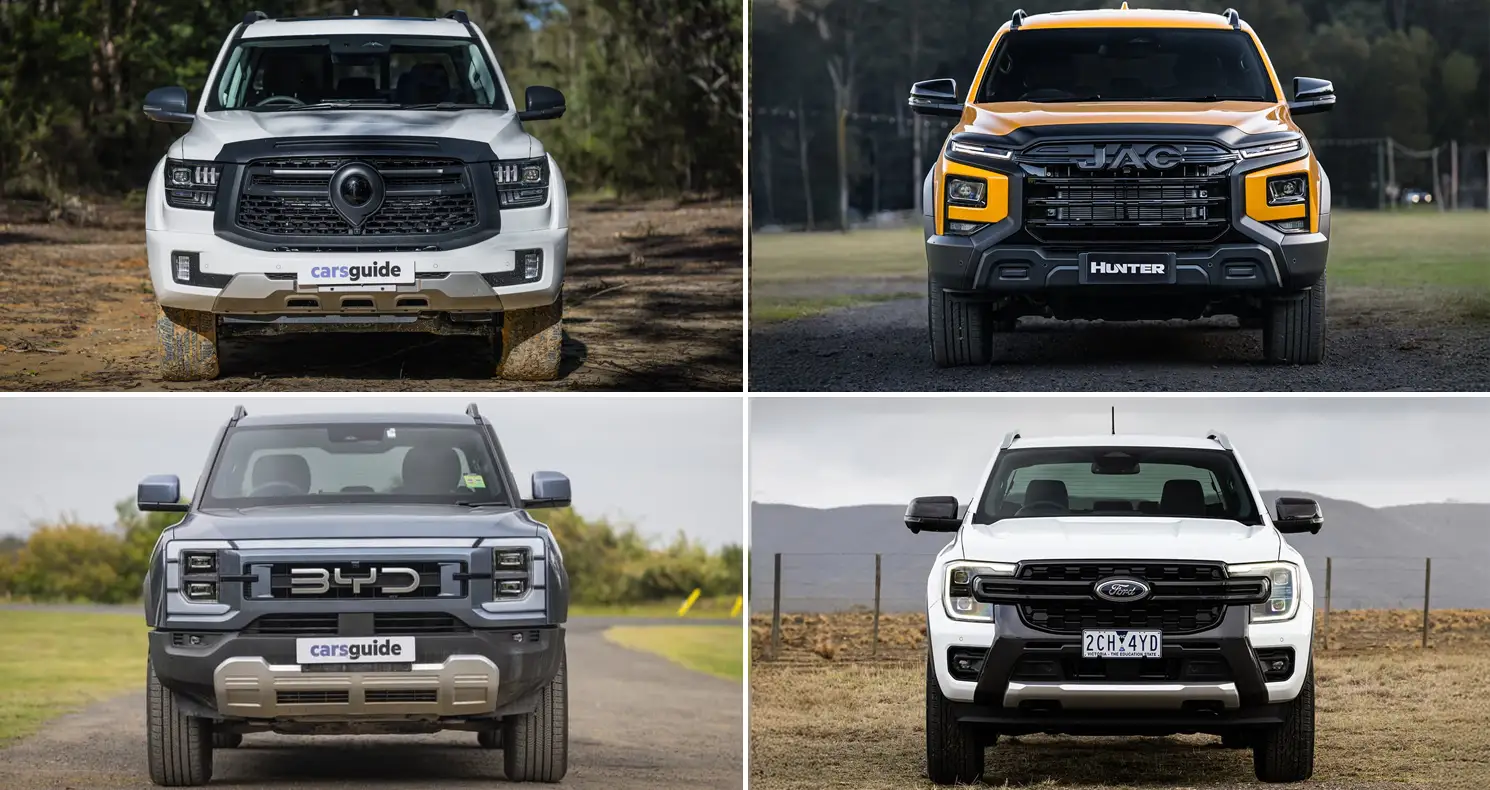
Four contenders are now in the mix: the BYD Shark 6, GWM Cannon Alpha, Ford Ranger PHEV, and the incoming JAC Hunter. Here's a straight-up breakdown of what each brings to the table.
Price and the JAC Hunter's Big Advantage
The JAC Hunter enters the Australian market at under $50,000, making it the cheapest PHEV ute currently available by a meaningful margin. The BYD Shark 6 starts from $57,900 for its pick-up variant, the GWM Cannon Alpha sits just above $60,000, and the Ford Ranger PHEV — after a recent price cut — now has an entry-level XL variant at $59,000 drive-away.
For WA buyers keeping an eye on total ownership costs, that Hunter price point is significant. Add stamp duty and WA registration on top of a $60k+ purchase and the savings start to compound quickly.
Power, Range, and Real-World Usefulness
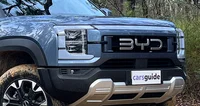
If you need grunt, the Hunter leads the group. Its 2.0-litre turbo-petrol engine paired with dual electric motors produces 360kW — official torque figures are still to come. The Shark 6 puts out 321kW from a 1.5-litre turbo and dual motors, while a forthcoming Shark 6 Performance variant steps that up to 350kW and 700Nm with 3500kg towing, though it'll cost $5,000 more than the Premium version. The Cannon Alpha's 2.0-litre single-motor setup sits behind on power but ahead on torque. The Ranger PHEV produces 207kW — the least of the four.
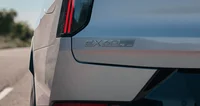
For anyone doing consistent kilometres through Perth's suburbs or commuting from the outer metro fringe, electric-only range matters. The Hunter and Shark 6 both offer 100km of EV range — enough to cover most daily driving without touching the fuel tank. The Cannon Alpha edges ahead with 115km from its larger 37kWh battery and a total range of 1,060km. The Ranger PHEV's 12kWh battery only delivers 49km of electric range, which limits its appeal if you're trying to minimise fuel costs day-to-day.
On fuel efficiency, the Hunter claims 1.6L/100km, the Cannon Alpha 1.7L/100km, the Shark 6 2.0L/100km, and the Ranger 2.9L/100km — all on NEDC figures with a full battery. Real-world numbers will be higher, particularly on longer highway runs heading out of Perth.
Towing and Payload — Critical for WA Use
For buyers who actually use their ute as a ute — towing a trailer to the coast, hauling gear to a worksite, or heading bush — this is non-negotiable. The base Shark 6 pick-up is the only one here not rated for 3500kg braked towing, though the Performance variant fixes that. The Hunter, Cannon Alpha, and Ranger all hit 3500kg. On payload, the Ranger leads, with the Hunter close behind, then the Shark 6, and the Cannon Alpha last.
The BYD Shark 6 remains the highest-profile PHEV ute in WA dealerships right now, but with the Hunter's aggressive pricing and strong specs, plus a cheaper Cannon variant from GWM coming shortly, competition is only going to sharpen. WA buyers are in a solid position — more choice, better value, and improving capability across the board.
Get WA car news in your inbox
New reviews and buying guides for Western Australian buyers.