VW vs Chinese Brands: What WA Buyers Need to Know
Volkswagen says it's not worried about BYD, MG and Xpeng — here's why WA buyers should care.
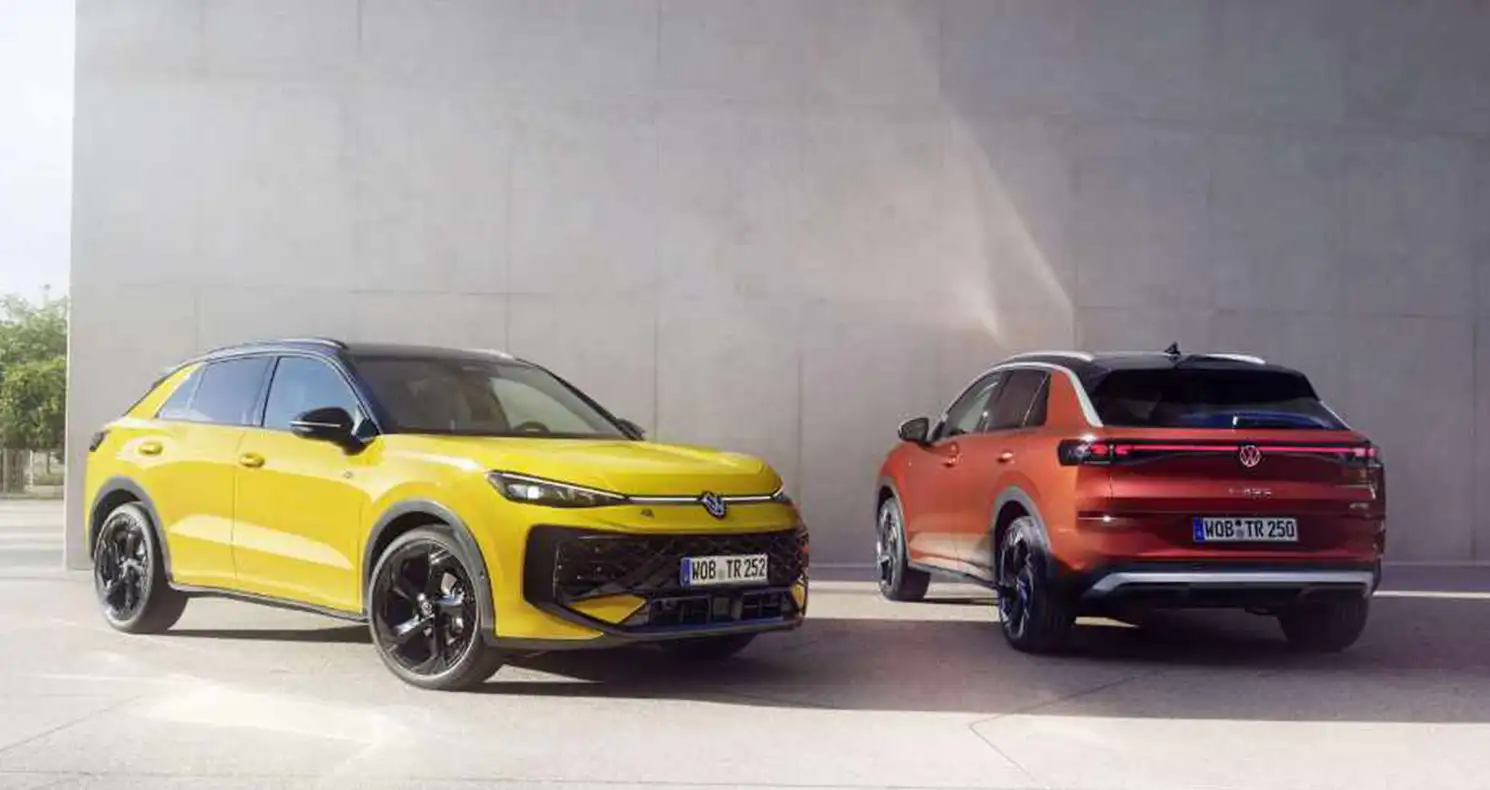
If you've been shopping for a new SUV in Perth lately, you've probably noticed the Chinese brands muscling into every dealership strip from Osborne Park to Cannington. BYD, MG, Xpeng, Denza — they're hard to miss, and harder to ignore when the price tags are this competitive. So how does Volkswagen respond? With a bold claim: our cars are simply better.
VW's Three-Pillar Argument
Piergiorgio Minto, Volkswagen Australia's Head of Passenger Cars, isn't pretending VW can beat the Chinese brands on price. He's not even trying to. Instead, he's staking the brand's case on three things: driving feel, heritage, and dealer network.
"I still believe that Volkswagen has a big advantage in drivability. Our cars are definitely superior there. So there is a different kind of engineering behind it," says Minto.
He also points to heritage — VW has been in Australia for decades — and a dealer network he describes as solid and consistently available when customers need support.
For WA buyers, that last point actually carries some weight. If you're driving a BYD out through the Wheatbelt or heading up to the Pilbara for work, knowing there's a reliable service network behind your vehicle matters. Chinese brands are still building that infrastructure in Australia, and in a state as vast as WA, that gap is real.
What's Actually Happening With VW's Sales
VW's Australian sales have dipped over the past 18 months, but the brand is pushing back on the idea that Chinese competition is to blame. According to Head of Product Arjun Nidigallu, the real culprit is a product changeover hitting all at once.
"The biggest players involved for us — Tiguan, Tiguan Allspace — ran out last year, and T-Roc is running out this year. It's just a perfect storm in terms of product changes and timings," he says.
The new Tiguan plug-in hybrid (badged e-Hybrid) has just landed in Australia, alongside the Tayron e-Hybrid — effectively the spiritual successor to the Tiguan Allspace. For Perth families who want a seven-seat SUV with electrified credentials, the Tayron is worth a close look. With WA fuel prices consistently among the highest in the country, a plug-in hybrid that lets you cover the daily school run and commute on electric power alone makes a lot of financial sense.
The T-Roc Return Is the Big One to Watch
The model that could genuinely shift the dial for VW in WA is the second-generation T-Roc, due next year. It's been one of VW's strongest volume sellers, and the new version brings more space, more tech, and a mild-hybrid powertrain. Nidigallu says once the T-Roc is back in the lineup, the brand expects to return to its previous sales figures.
For WA buyers, the T-Roc has always appealed as a compact SUV that's easy to park in the city but doesn't feel small on the freeway. If the new generation delivers on the spec upgrades, it'll be a strong contender against the wave of similarly-priced Chinese alternatives.
The bottom line? VW is making a confident bet that driving quality, long-term reliability, and service backup will matter more to buyers than a sharp sticker price. Whether that's enough to hold ground against aggressively priced newcomers is something WA buyers will ultimately decide — probably on a forecourt somewhere on Scarborough Beach Road.
Get WA car news in your inbox
New reviews and buying guides for Western Australian buyers.