2027 Renault Megane E-Tech: More Range, Faster Charging, Smarter Tech
The facelifted Megane E-Tech gets a 500km range claim, 165kW fast charging, and a sharper look.
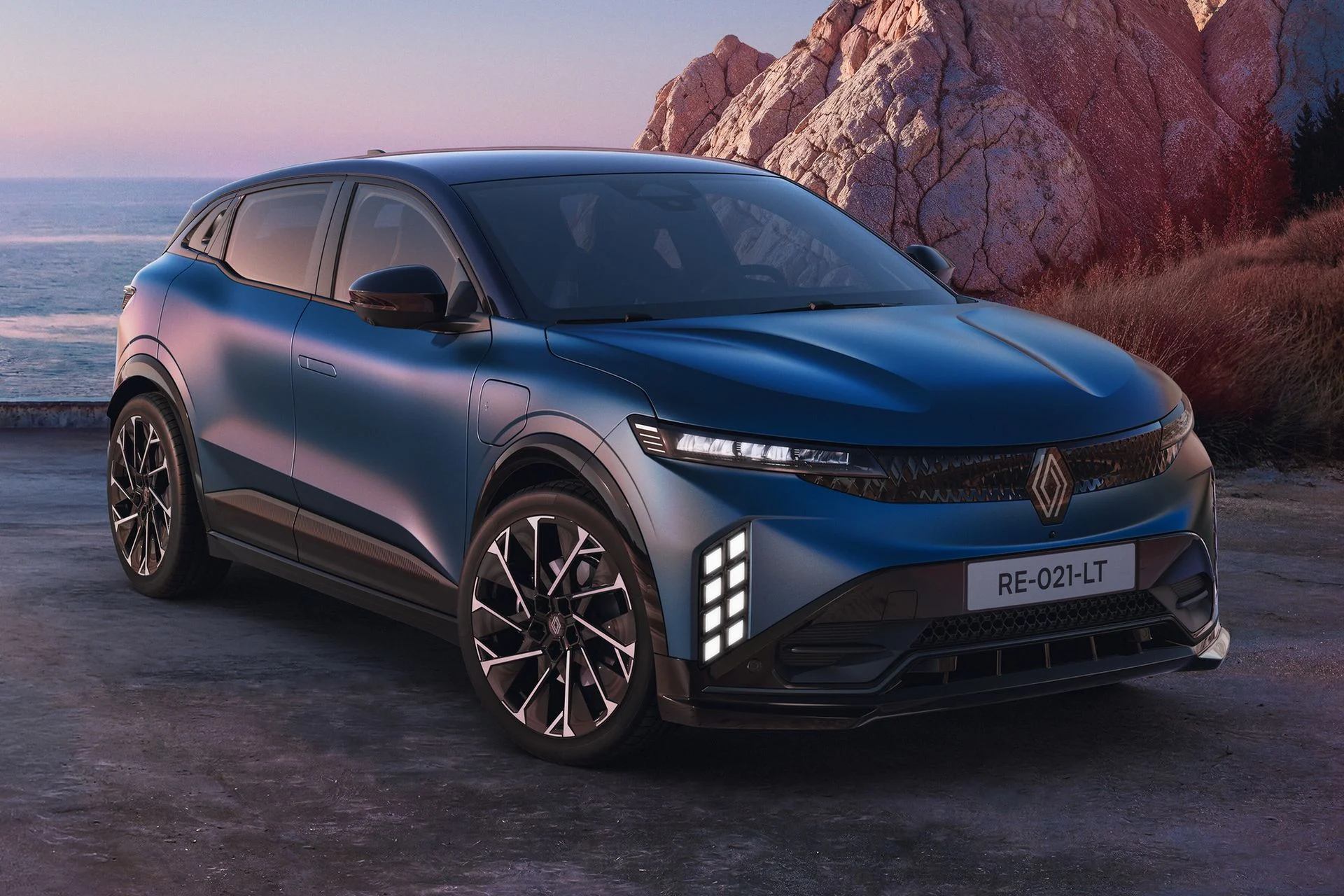
Renault has pulled the wraps off the updated Megane E-Tech, and for WA buyers considering an electric hatchback, the improvements are substantial enough to pay attention to.
More Battery, Less Range Anxiety
The headline upgrade is a larger 67kWh battery pack — up 7kWh on the current car — pushing the WLTP range claim to 500km. That's a 46km improvement, and while WLTP figures always need a reality check, a genuine real-world range in the 380–420km bracket would make the Megane a legitimate option for Perth metro drivers who also want the occasional run to Mandurah, Bunbury, or the Hills without sweating the charge level.
The battery now uses lithium iron phosphate (LFP) chemistry with a cell-to-pack design — a positive move for longevity and thermal stability, which matters in WA's scorching summers. A heat pump and battery pre-conditioning are standard, both of which help preserve range when temperatures climb.
DC fast charging has jumped from 130kW to 165kW, which meaningfully cuts top-up times on long drives. The car also supports bi-directional AC charging at up to 11kW standard (22kW optional), vehicle-to-load at 3.7kW for running regular 220V appliances, and vehicle-to-grid capability. For anyone with solar at home — and WA has some of the highest rooftop solar uptake in the country — that V2G functionality is genuinely useful.
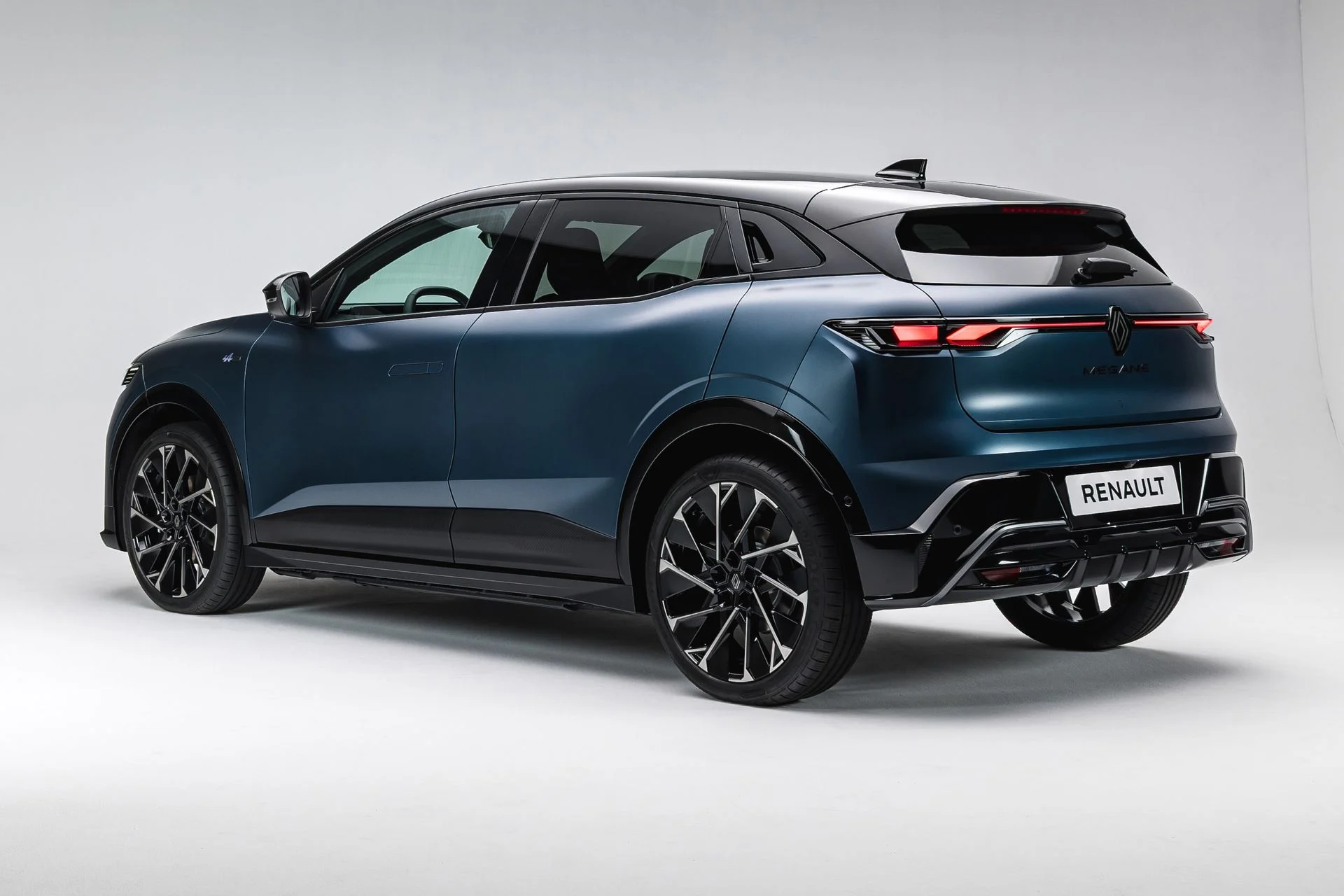
Sharper Style, Smarter Cabin
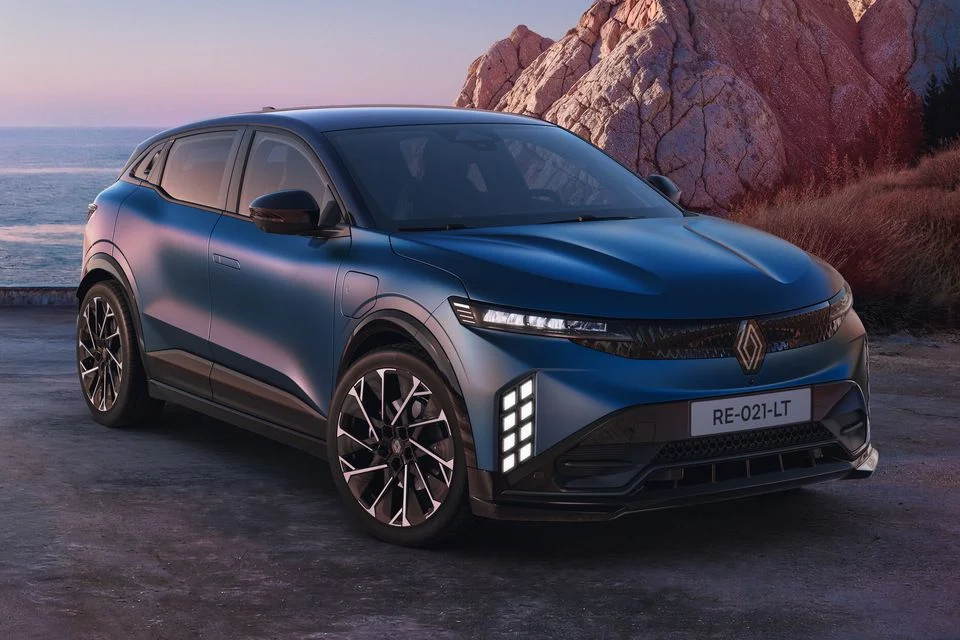
Visually, the facelift is most obvious at the front. There's a more sculpted bonnet, a deeper fake grille, and a revised bumper with checkerboard LED elements at the corners. Out back, the full-width light strip now has an exposed 3D finish and a sportier diffuser. The car also sits 20mm higher to accommodate the new battery.
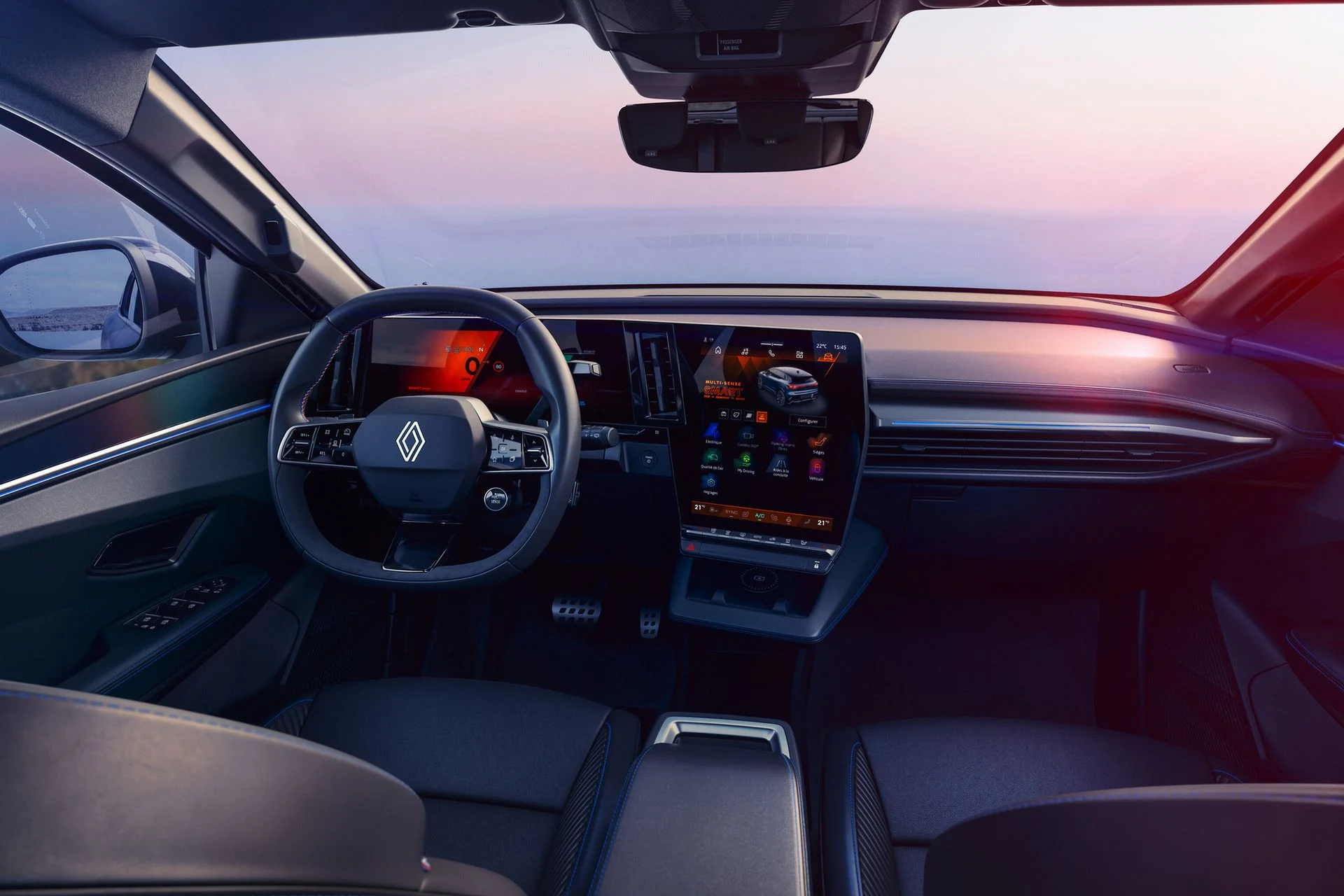
Inside, the old 9.0-inch infotainment screen is gone, replaced by a 12.0-inch unit running Renault's OpenR system built on Google Automotive OS — meaning Google Maps, Gemini AI, and the Google Play app store are all on board. Instrumentation is handled by a 12.3-inch digital display. A Qi2-compatible wireless charger rounds out the tech upgrades.
The driver monitoring camera mounted in the A-pillar can now recognise individual drivers and automatically adjust seat position, media, and infotainment preferences. In Smart mode, the car reads your driving behaviour and shuffles between Eco, Comfort, and Sport settings accordingly — handy for anyone who drives conservatively through the suburbs but opens it up on the freeway.
What Stays the Same — and What to Watch
The front-wheel-drive motor carries over unchanged at 160kW and 300Nm, though the 0–100km/h time has crept up slightly to 7.6 seconds (from 7.4). That's a minor trade-off most buyers won't notice in daily driving.
One-pedal driving is now standard — a welcome addition that was conspicuously absent from the current model.
In Europe, the range is trimmed to two variants: Techno and Esprit Alpine. The Esprit Alpine adds 20-inch wheels, massaging seats, a Harman Kardon sound system, and the full safety suite. Australian pricing and availability haven't been confirmed yet, so watch this space. Given the current Megane E-Tech's positioning in the mid-$50,000 range, expect the facelifted model to push into the upper $50,000s when it arrives locally.
Get WA car news in your inbox
New reviews and buying guides for Western Australian buyers.