Cadillac's Australia-Bound EVs Get Smaller Batteries — Here's Why
European regulations mean WA buyers get less range and slower charging than American Cadillac EV owners.
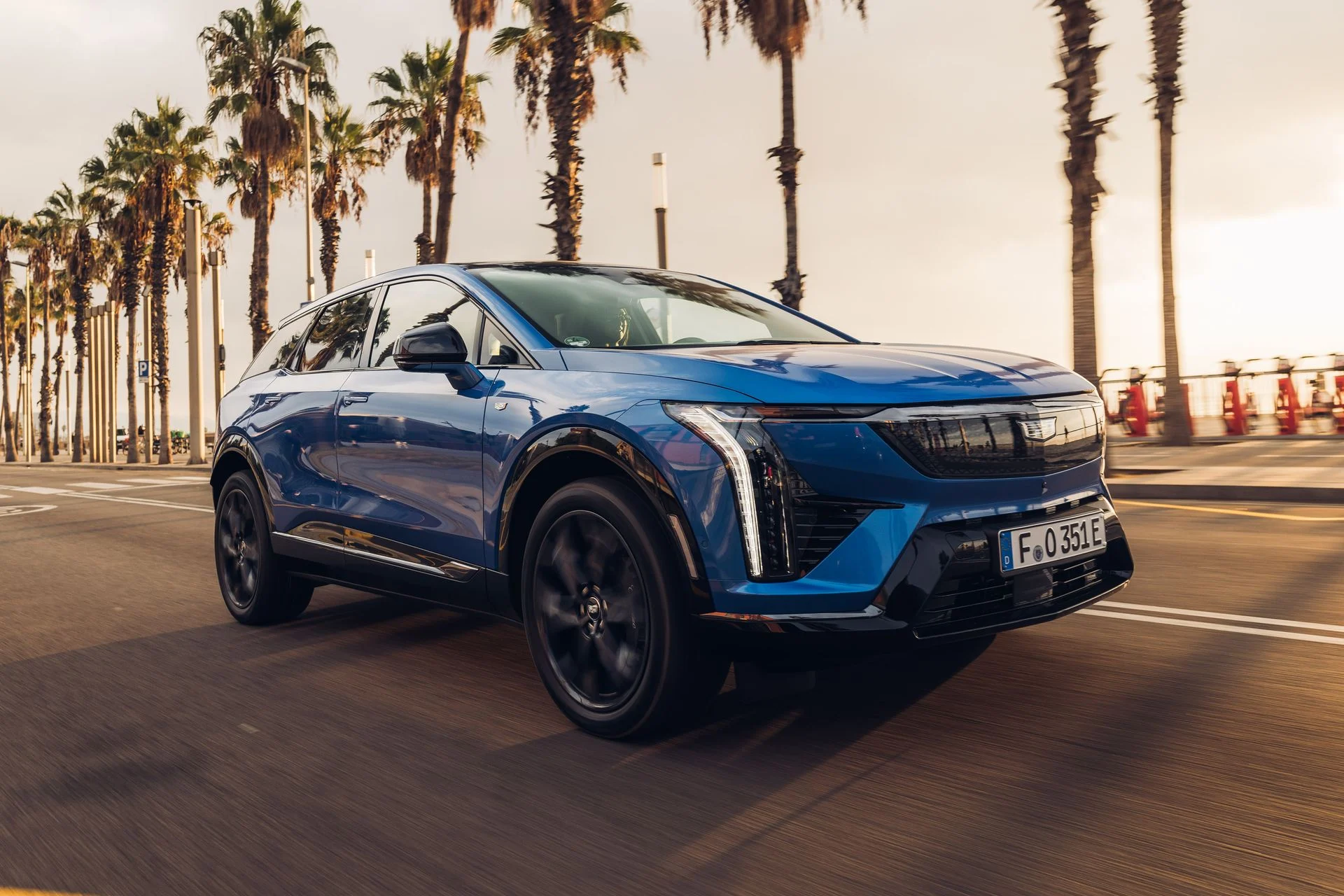
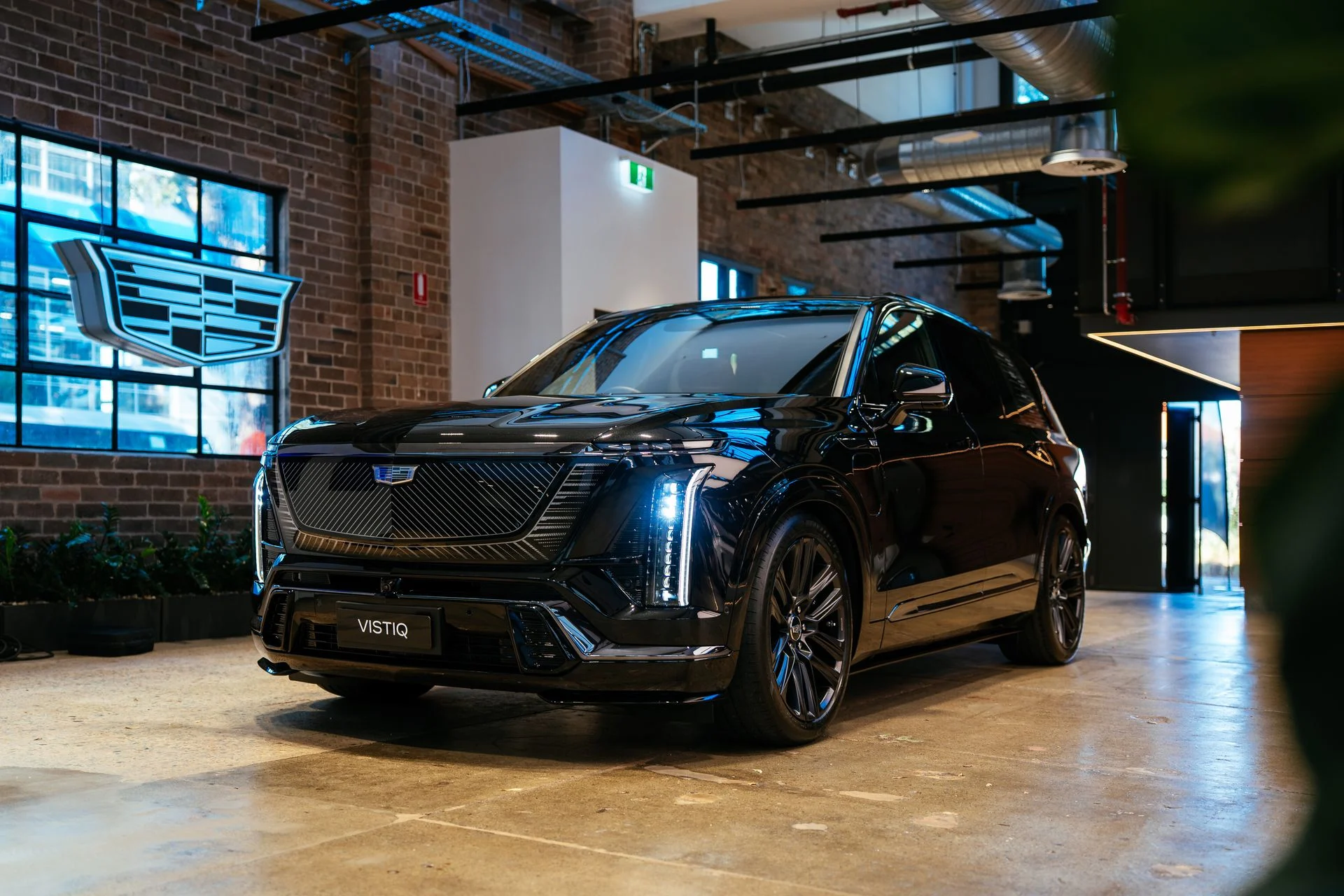
If you've been eyeing the new Cadillac Optiq or Vistiq electric SUVs, there's something you need to know before you get too excited about the US-market specs: what arrives in WA will be a smaller, slower-charging version of both vehicles. The culprit isn't cost-cutting — it's a European safety regulation that Australia has effectively inherited.
What's Actually Changing
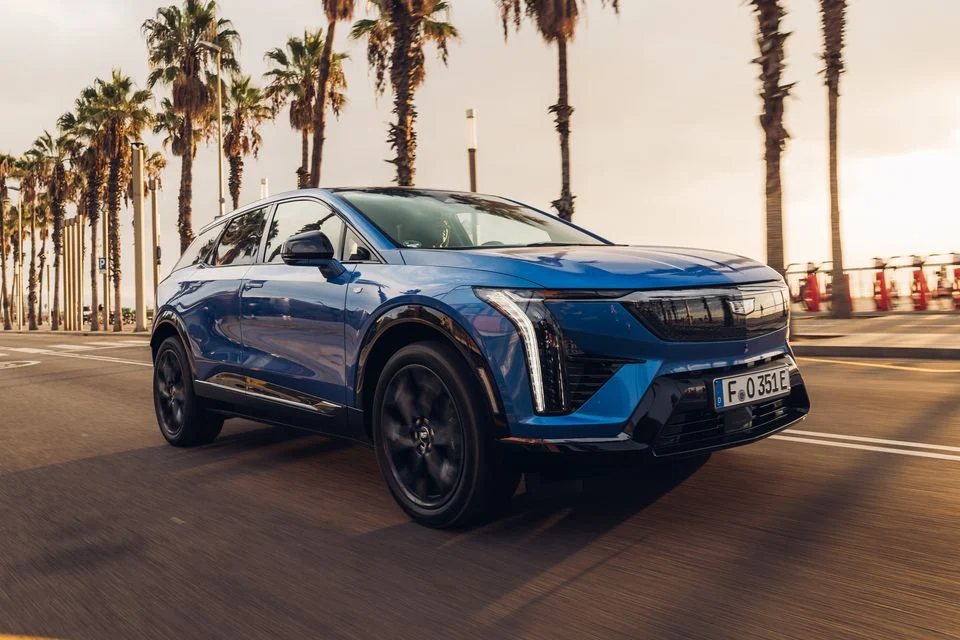
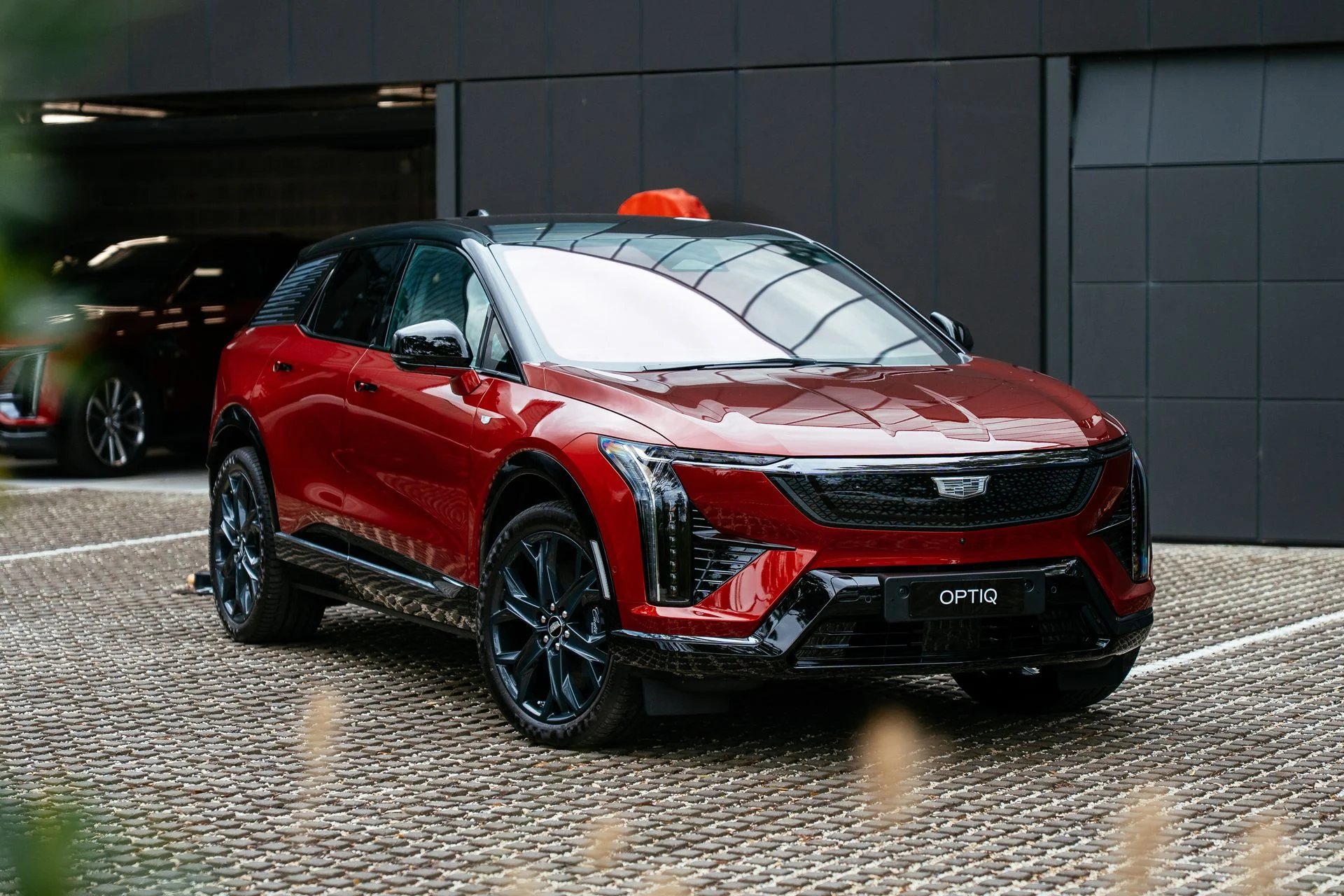
The Cadillac Optiq, due to land in Australia in the third quarter of 2026 (July–September), will come with a 75kWh NMC battery rather than the 85kWh pack fitted to US models. The larger Vistiq, arriving in the fourth quarter (October–December), drops from a 102kWh battery to a 91kWh unit.
The reason, according to Cadillac's own engineers, is ECE Regulation 100.03 — a UNECE (United Nations Economic Commission for Europe) standard that came into effect for newly approved vehicles after 1 September 2025. Because Australia uses these ECE-aligned standards, Cadillac's export-market cars need to comply, even though we're nowhere near Europe.
The Lyriq, Cadillac's current EV on sale here, keeps its 102kWh pack for now — it received type approval before the September 2025 cutoff — but that arrangement won't last indefinitely.
What It Means for Range and Charging in WA
For WA drivers, the charging speed reduction is the part that stings most. The Optiq's DC fast-charge rate drops from 150kW (US spec) to just 110kW for the Australian market. The Vistiq is worse — down from 190kW to 130kW. On a long run from Perth to Albany or up the Brand Highway towards Geraldton, slower charging means longer stops.
In WLTP terms, the Australian Optiq is rated at 425km and the Vistiq at 461km. Those figures aren't terrible, but WA's vast distances make real-world range more relevant than anywhere else in the country. Perth to Esperance is nearly 750km — you're stopping to charge regardless, so the speed of that charge genuinely matters.
For comparison, the Zeekr 7X — a direct rival for the Optiq in the mid-size SUV space — offers DC charging between 420kW and 450kW depending on variant, with up to 615km of range. That's a significant gap, and WA buyers considering a premium electric SUV should factor it in.
The Missing Head-Up Display
The battery situation isn't the only compromise for Australian buyers. Both the Optiq and Vistiq lose their head-up display (HUD) in right-hand drive form. Cadillac's engineers say the hardware couldn't be packaged into the RHD instrument panel without a substantial redesign — which they chose not to pursue. This is a notable omission at a premium price point, particularly given that parent company GM was one of the pioneers of automotive HUDs back in 1988.
None of this makes the Cadillac EVs a write-off. They're genuinely premium vehicles and Cadillac is working to build a proper presence in Australia. But WA buyers — especially those outside the metro area — should go in clear-eyed. Slower charging and reduced battery capacity compared to US specs are real trade-offs, and in a state where the next town can be 200km away, they're worth thinking through carefully before you sign anything.
Get WA car news in your inbox
New reviews and buying guides for Western Australian buyers.