Could Xpeng Build a Ute for WA? Here's What We Know
Chinese EV brand Xpeng is exploring its first ute — and Australia is a key reason why.
If you've spent any time driving between Perth and Kalgoorlie, hauling a trailer through the Pilbara, or just navigating a Bunnings car park on a Saturday morning, you'll understand why utes dominate WA roads. Now, Chinese EV brand Xpeng is sitting up and taking notice — and a purpose-built electric ute could be on the way.
Xpeng Has WA-Style Markets in Its Sights
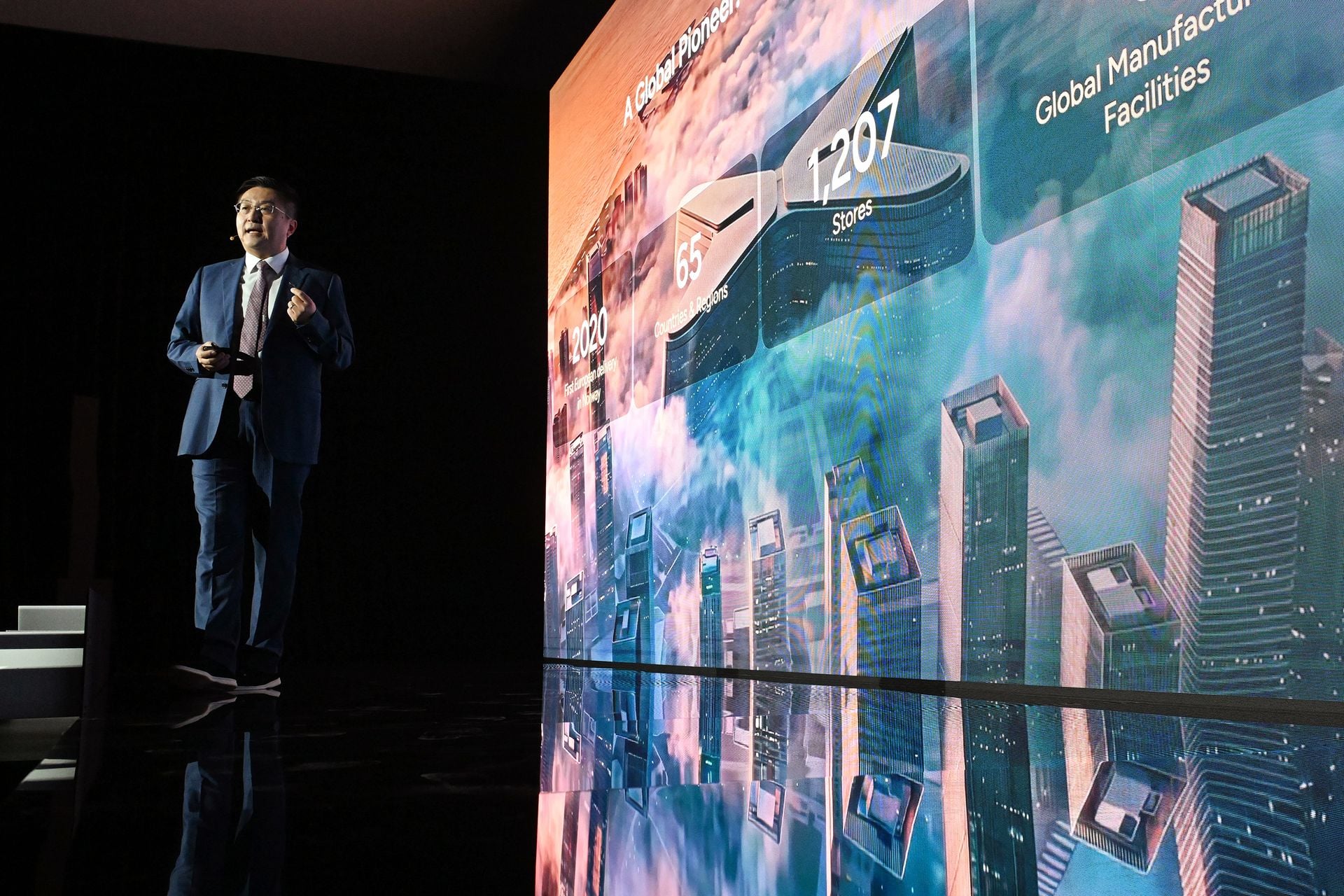
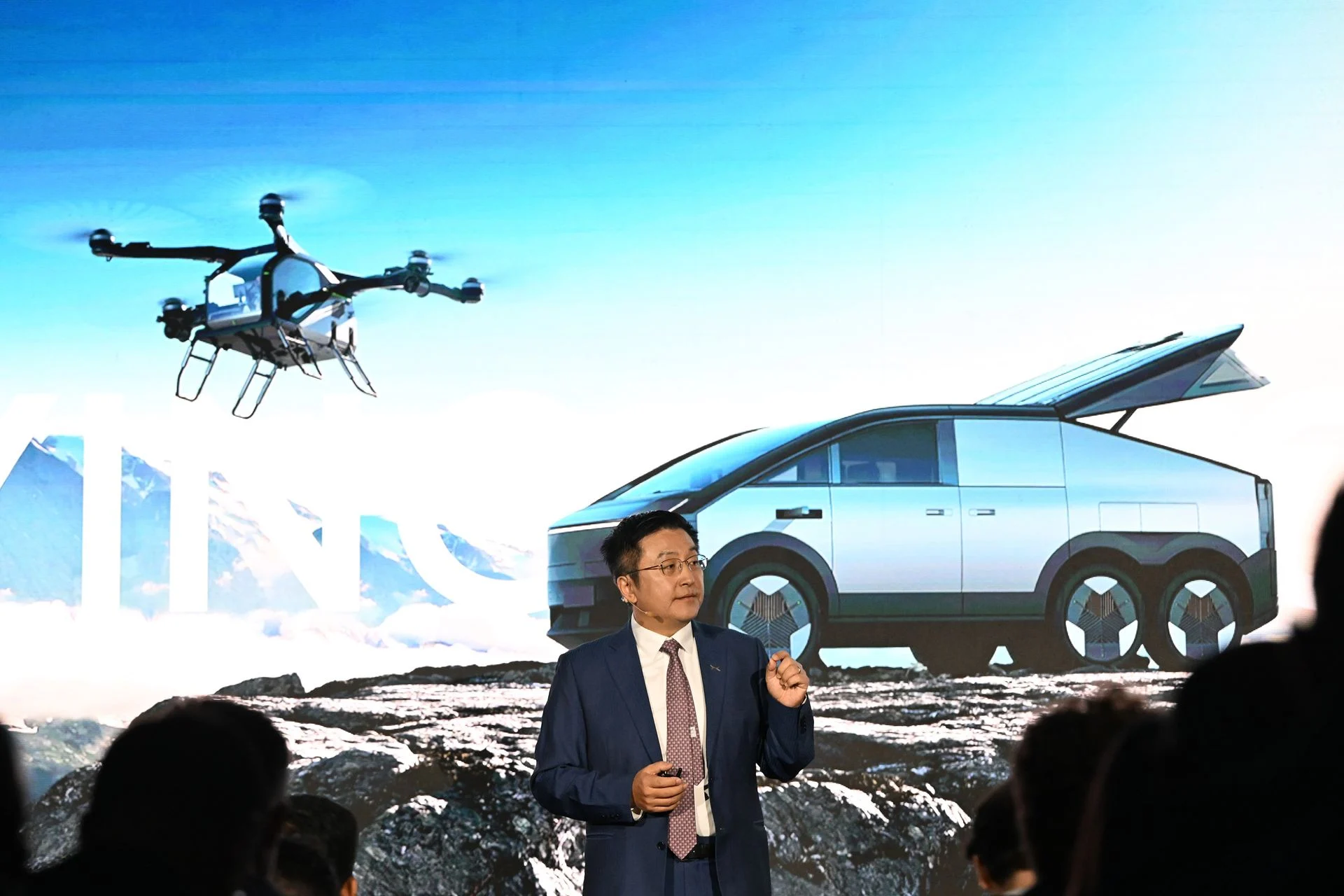
Xpeng vice chairman and president Brian Gu recently spoke to Australian media about the brand's global expansion plans, and the ute segment came up quickly.
"You cannot say pickup, right? You have to say 'ute' in Australia," Gu said — which tells you the brand has at least done its homework on local culture.
Gu confirmed Xpeng is actively looking at whether a ute is a format worth developing, acknowledging it's not a big segment in China but is "pretty popular" in Australia, parts of Latin America, the Middle East, and Africa. For WA buyers, that global thinking could translate into something genuinely useful on local roads and tracks.
Any Xpeng ute would enter a crowded but rapidly changing field. The Ford Ranger has been Australia's top-selling vehicle for three consecutive years before the Tesla Model Y nudged it aside in mid-2026. The Toyota HiLux held that crown before the Ranger, and the segment overall still accounted for 16.6 per cent of all new-vehicle sales nationally in the first half of 2026. In WA, where mining, agriculture, and long-distance travel are everyday realities, that number almost certainly skews higher.
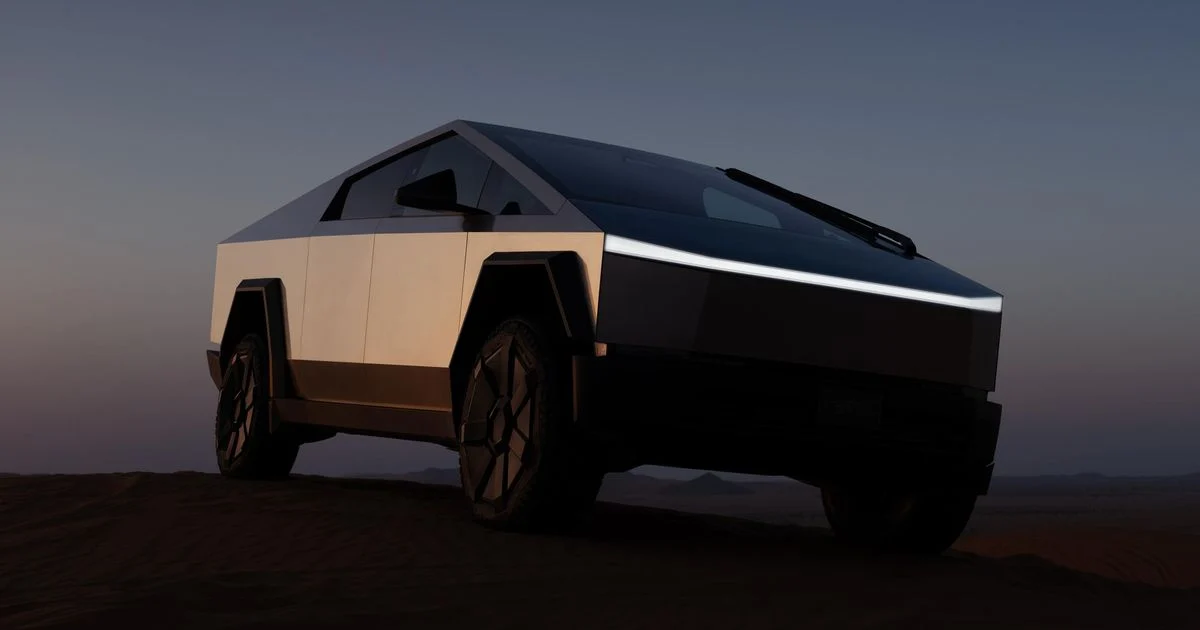
Potential rivals for any Xpeng ute would include the Toyota HiLux BEV, the KGM Musso EV, the MG U9 EV, and — at the more extreme end — the Tesla Cybertruck, which is listed on Tesla's Australian website but not yet sold here.
The Hard Part: Building a Proper Ladder-Frame Ute
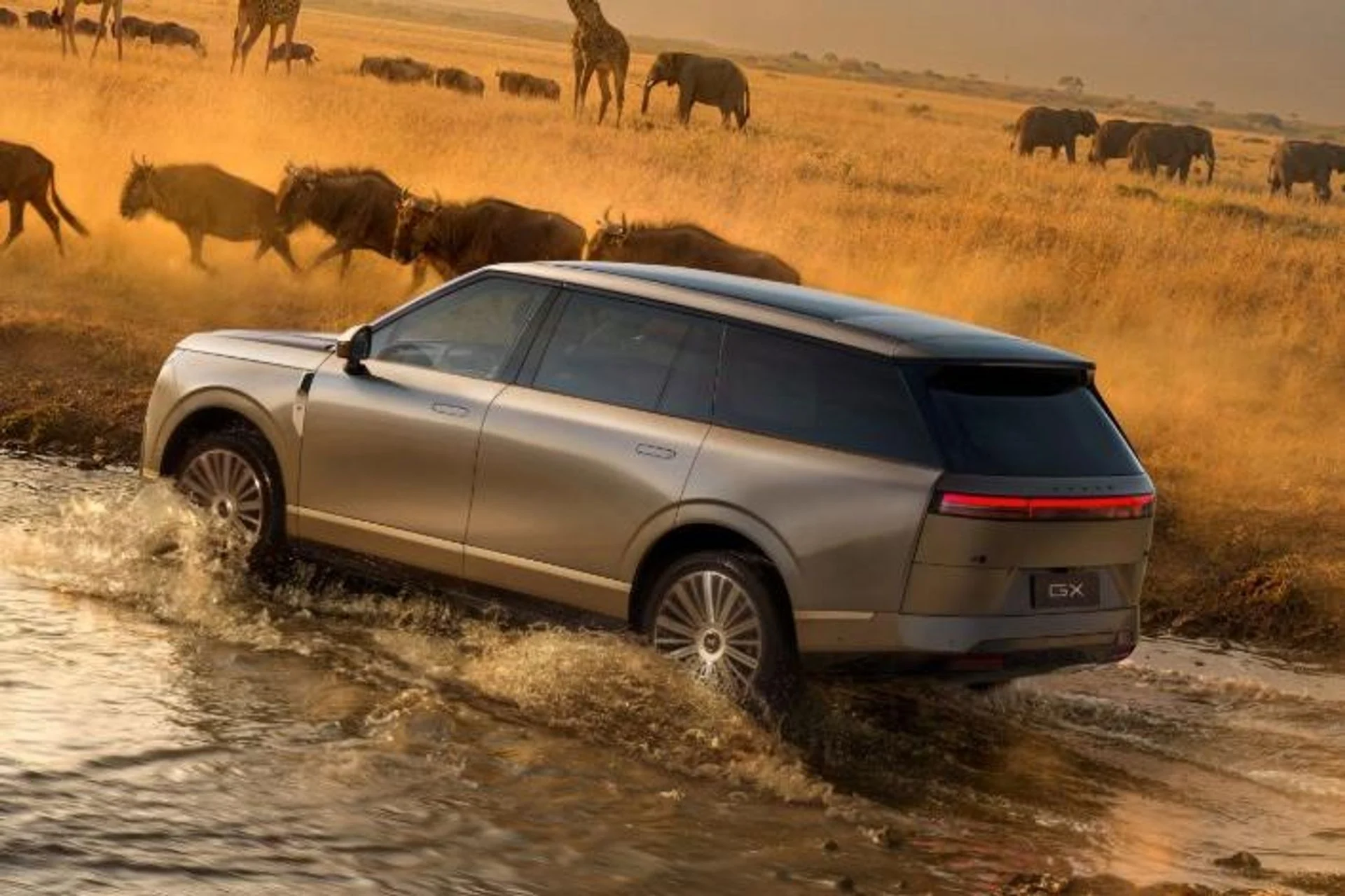
Here's where things get technically interesting. Xpeng's current model range — which includes large SUVs like the G9L and the genuinely massive GX (5265mm long, bigger than a LandCruiser) — is built on monocoque platforms. That's standard car construction, fine for highway cruising but not what you want when you're towing a boat ramp in Exmouth or crossing corrugated dirt tracks in the Wheatbelt.
A proper dual-cab ute needs body-on-frame (ladder-frame) construction — the same architecture used by the Ranger, HiLux, and Everest — for durability, towing capacity, and genuine off-road credentials. Xpeng doesn't currently have that platform, and sourcing one isn't straightforward.
Volkswagen is an investor in Xpeng and makes the Amarok ute, but that ladder-frame platform is shared with Ford under a commercial agreement — so it's unlikely to be handed across to Xpeng. Developing a bespoke ladder-frame setup from scratch would be a significant engineering undertaking.
"It is going to require quite a different development process as the chassis and the requirements are different," Gu acknowledged. "But that's something we're looking into right now."
What This Means for WA Buyers Right Now
Don't cancel your Ranger order just yet. An Xpeng ute is still in the "we're thinking about it" stage, with no confirmed platform, powertrain, timeline, or pricing. Xpeng hasn't confirmed whether it would go full battery-electric or use its extended-range electric (EREV) technology — the latter being more practical for WA's long distances between charging options.
What is clear is that Xpeng sees Australia as a key market, utes are central to that conversation, and the competitive pressure is building on every brand in the segment. For WA buyers who want a capable, tech-forward electric ute that can handle more than just the school run, the next few years are shaping up to be very interesting indeed.
Get WA car news in your inbox
New reviews and buying guides for Western Australian buyers.