Kia, Mercedes and Honda Hold Ground as Chinese Brands Storm WA
While BYD and Chery grab headlines, a handful of established brands are quietly growing their sales in 2026.
Australia's new car market in 2026 looks nothing like it did three years ago. Diesel is on the nose, fuel prices have pushed buyers toward hybrids and EVs, and Chinese brands are eating into the sales of names that once seemed untouchable. For WA buyers — who tend to drive more kilometres than most Australians and have strong opinions about value — the shift matters.
Toyota is down nearly 25 per cent nationally. Subaru, Mitsubishi and Nissan are watching their top-10 positions disappear in the rear-view mirror. But not every established brand is struggling. Kia, Mercedes-Benz, Hyundai, Honda and Volvo have all posted year-on-year gains. Here's what's driving them.
Kia and Hyundai: The Korean One-Two
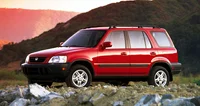
Kia is up 2.7 per cent for 2026, and its growth story is genuinely interesting. The Tasman ute — controversial at launch and still selling well below Kia's own pre-launch predictions — has still added more than 2,000 units nationally. For WA buyers eyeing a dual-cab that isn't a HiLux or Ranger, that's a real option worth a look. The K4 sedan has also punched hard, replacing the Cerato with nearly 2,000 additional units sold year-on-year. On the EV side, the more affordable EV3, EV4 and EV5 are doing the heavy lifting — the pricier EV6 and EV9 are sliding.
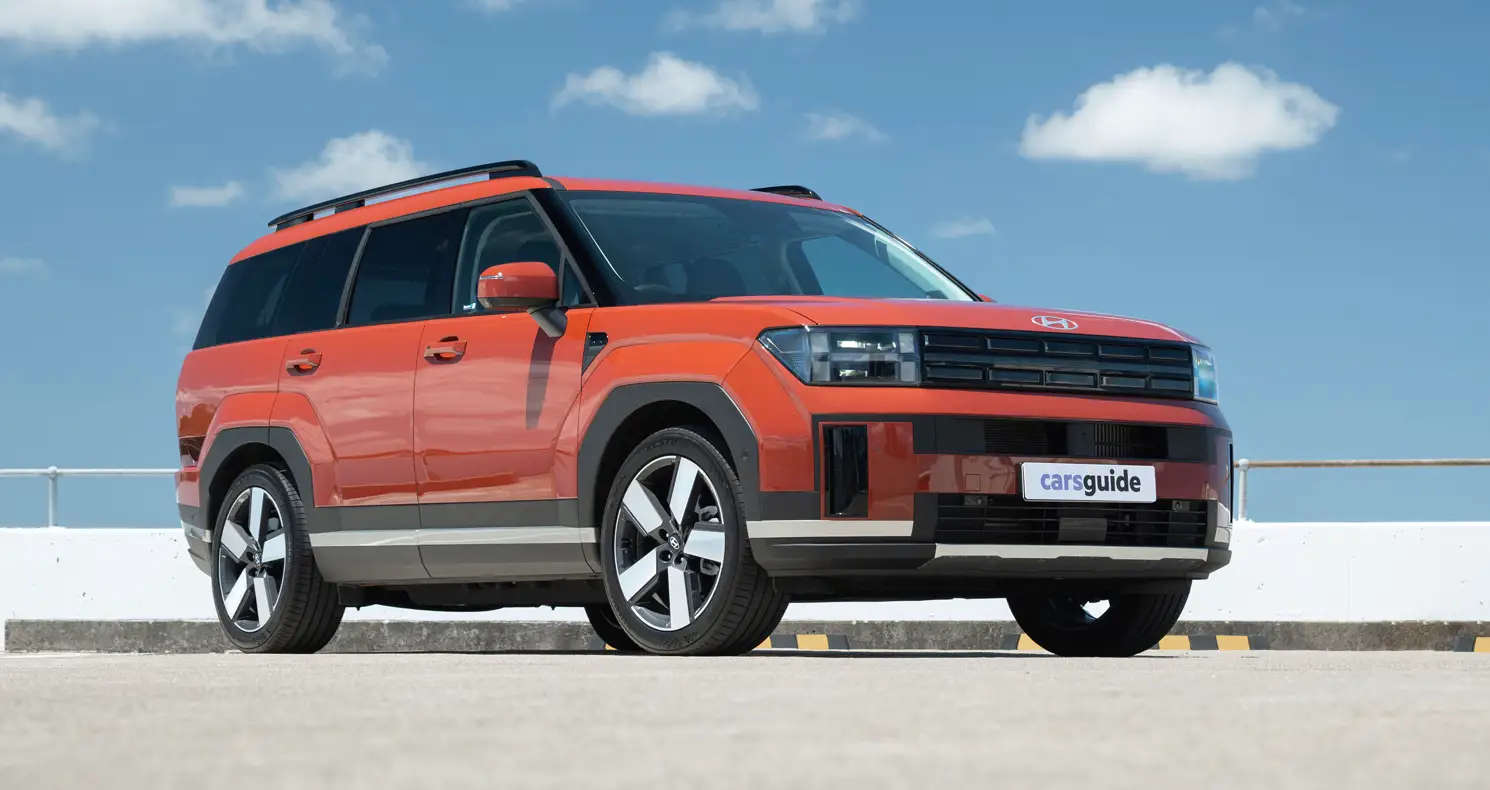
Hyundai is up 5.1 per cent, leaning on the Tucson and the Kona — the latter available in petrol, hybrid and full electric. If you're in Perth and doing a mix of suburban commuting and the occasional run down to Mandurah or up to the Hills, the Kona hybrid makes a compelling case. The new Elexio (built in China) has added volume, and the Inster city EV has bounced back after price cuts. The Ioniq 5 and Ioniq 6, once the brand's big talking points, are fading.
Mercedes and Volvo: Premium Brands Keeping Their Footing
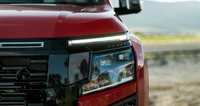
Mercedes-Benz is up 3.4 per cent, adding 295 units nationally. The growth is coming from the more accessible end of the range — the A-Class, GLA, and the electric EQA and EQB are all up. The GLC and GLE mid-to-large SUVs are also doing well. The bigger electric vehicles — EQE SUV, EQE, EQS — are struggling badly, with the EQE SUV alone down 383 units for the year. Buyers at the premium end clearly still want combustion or small EVs, not large expensive ones.
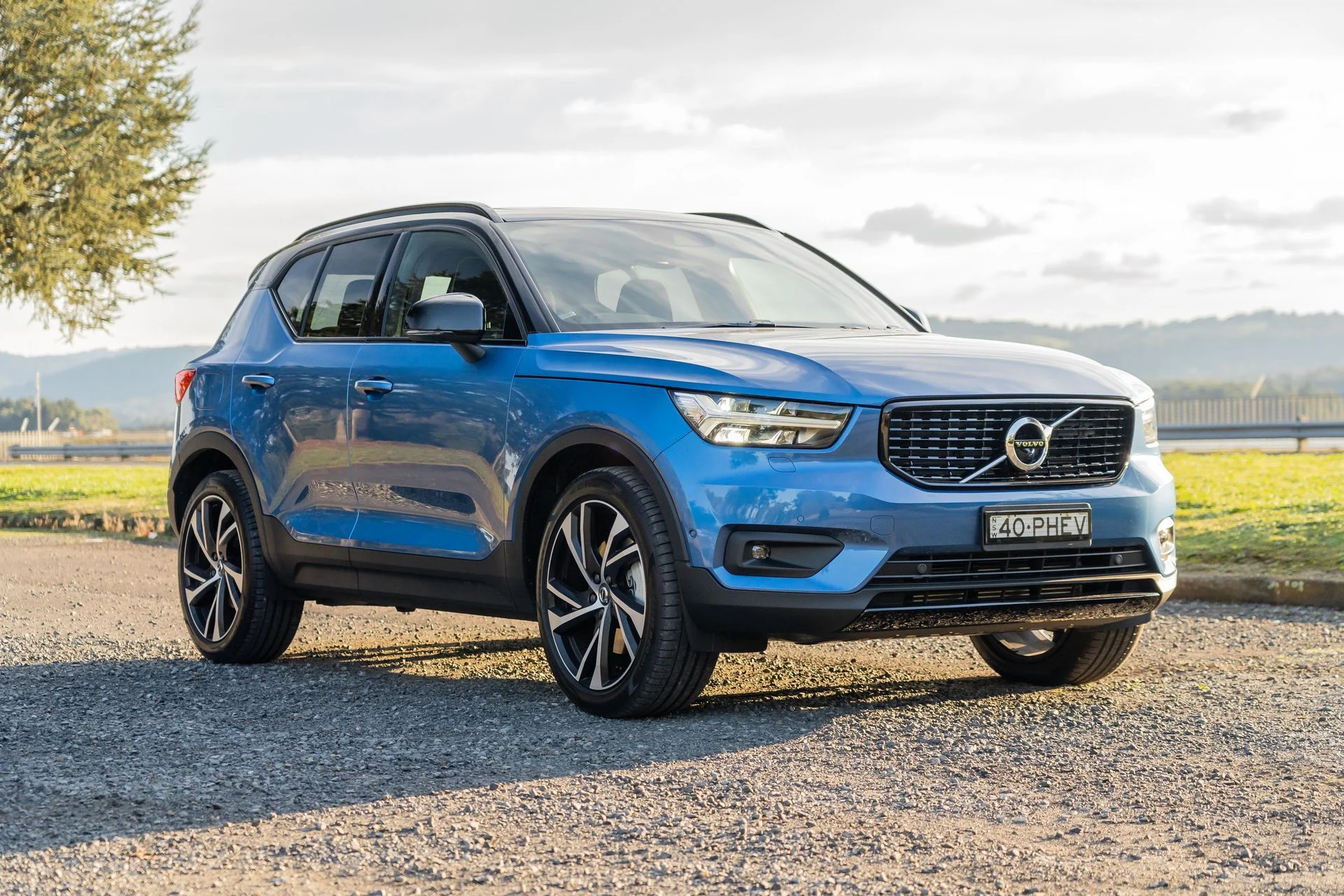
Volvo is steady, up 2.4 per cent. The XC40 — despite its age — is up 16.6 per cent, which says something about how well it suits Australian conditions. For WA buyers who want a compact SUV that handles both Fremantle streets and a Margaret River weekend run, it remains a solid pick. The large electric EX90 is up 46.2 per cent, but is still outsold three-to-one by the XC90 it's set to replace.
Honda: Tiny Gains, But Stable
Honda is technically up 5.1 per cent, but that translates to just 52 extra units nationally — so keep that in perspective. The CR-V is doing the work, up 4.4 per cent, and the new Prelude has added 142 units. The Civic is down nearly 30 per cent and the Accord has shrunk to almost nothing. Honda is a much smaller player than it once was, but it hasn't collapsed entirely.
For WA buyers shopping right now, the pattern is clear: mid-size SUVs in hybrid form, affordable EVs with genuine range, and utes with broad capability are what's selling. Brands that have those boxes ticked are growing. Those that don't are watching Chinese rivals fill the gap.
Get WA car news in your inbox
New reviews and buying guides for Western Australian buyers.