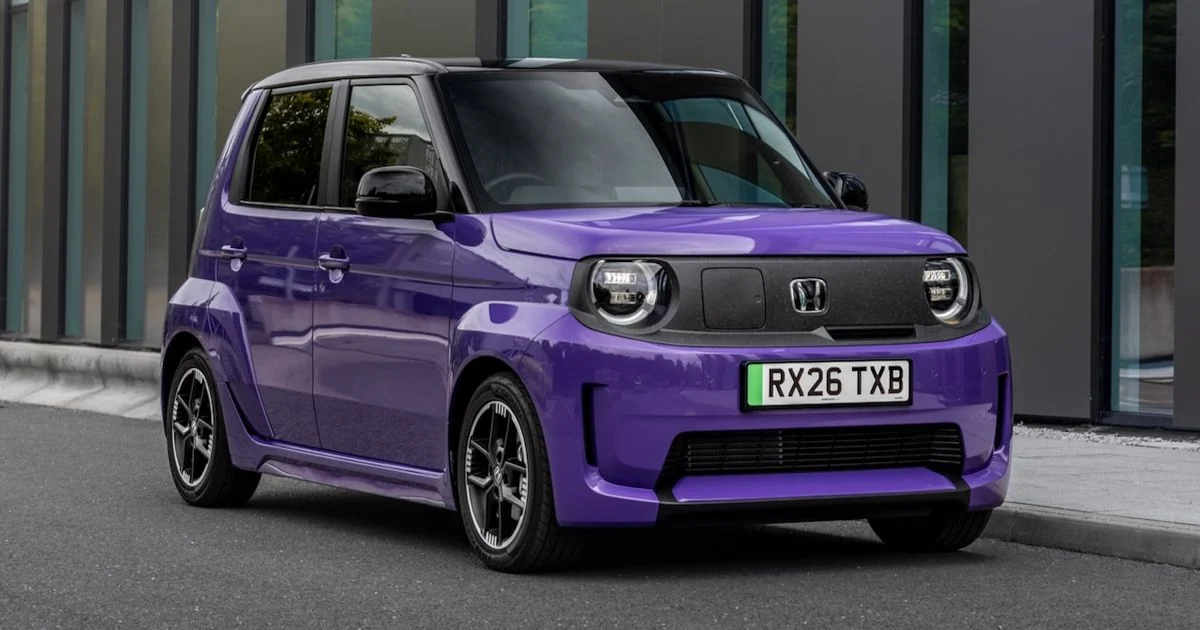
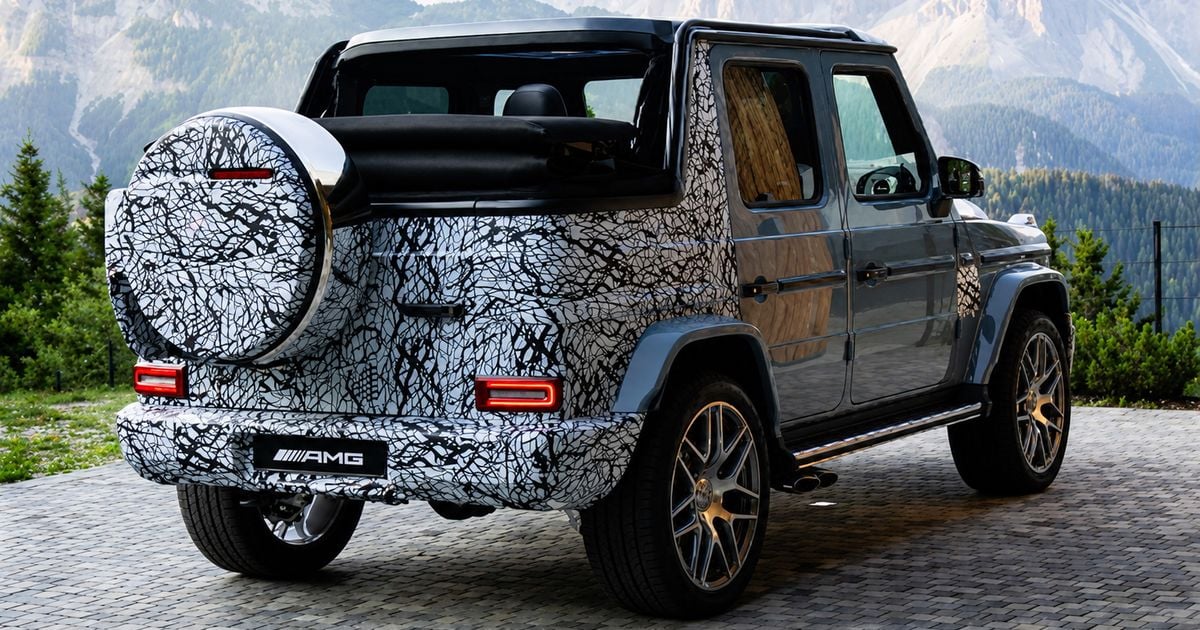
The New-Car Design Trend That's a Genuine Safety Risk
Carmakers are moving the gear selector where your indicator used to be — and it's a problem WA drivers can't ignore.
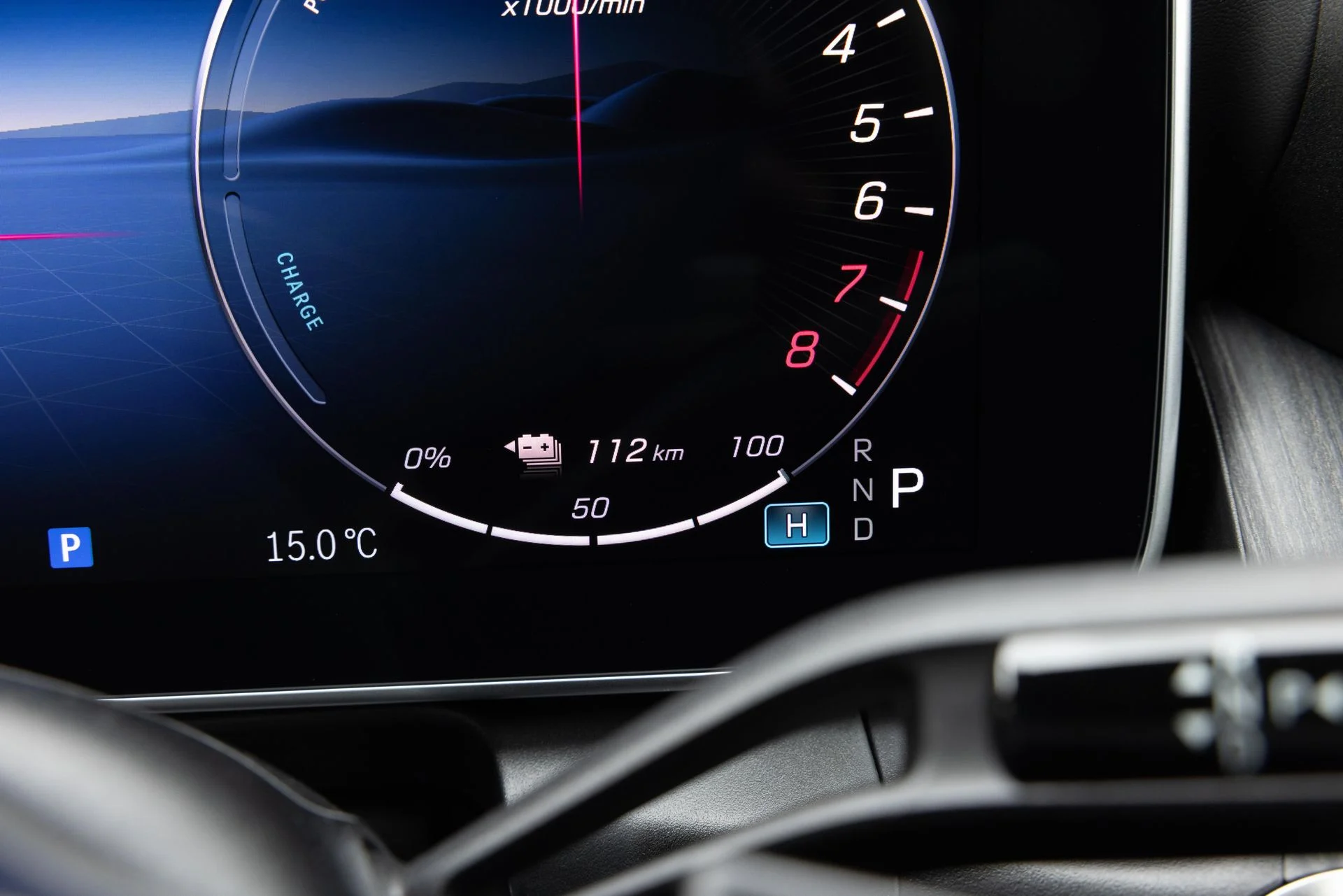
The automotive industry loves a fad. Swooping rooflines, screens replacing every button, minimalist cabins with the personality of a waiting room — most trends are harmless enough. But there's one spreading across almost every new model right now that isn't just annoying. It's a genuine safety risk.
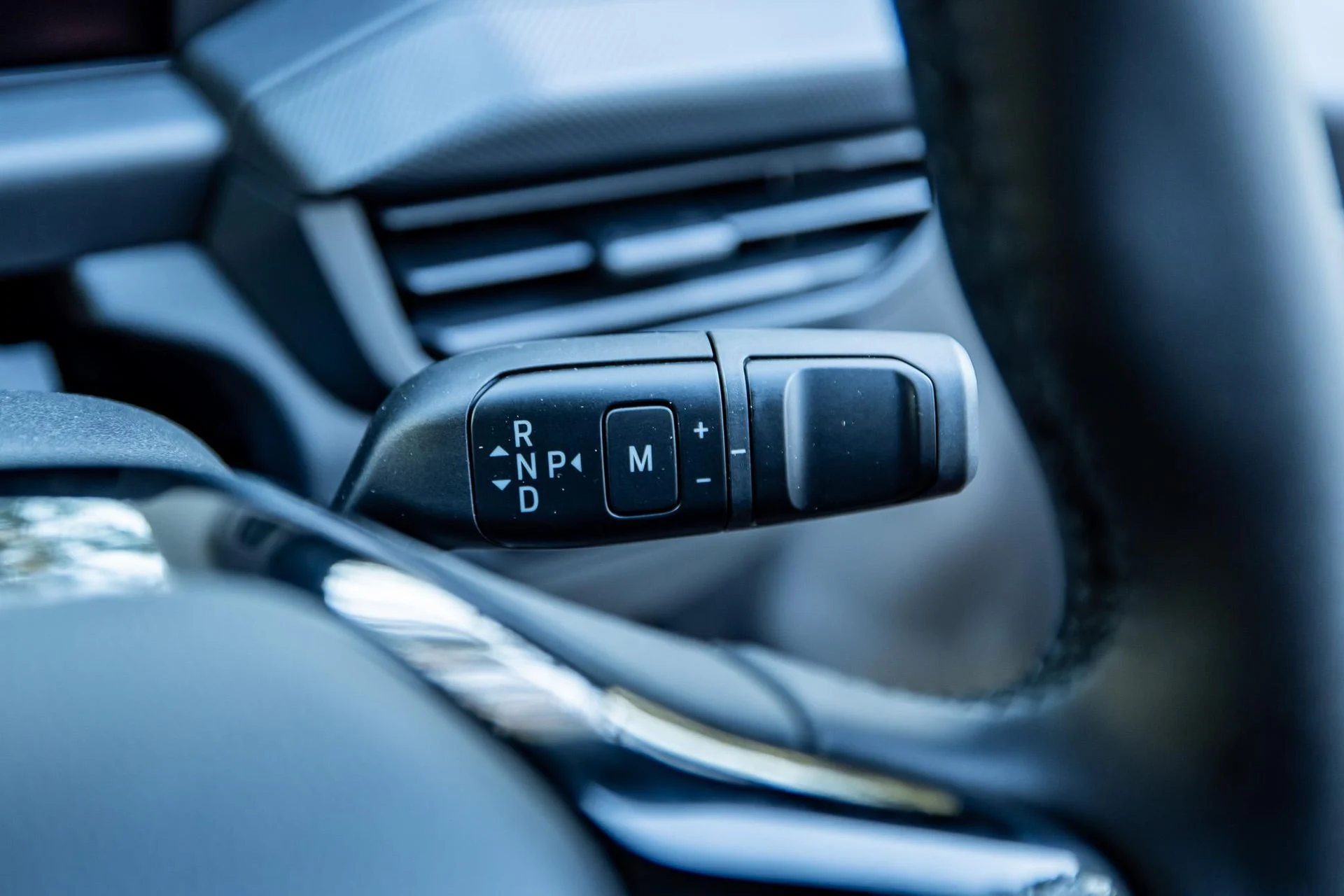
Carmakers are replacing the traditional indicator stalk with the drive selector. Your gear shifter now lives where your left-turn signal used to be. And that's a serious problem — especially for WA drivers who share cars, hire vehicles on holiday, or manage a work fleet.
How Did We Get Here?
For decades, the indicator stalk sat on the right-hand side of the steering column in Australian and Japanese vehicles. It wasn't perfect — plenty of drivers still smack the wipers when jumping into a European or American car where the indicator is on the left — but the stalk itself was always a stalk. You knew roughly what it did.
That began to shift when Tesla placed its drive selector where the indicator had always lived on a right-hand-drive car. It looked like a stalk, felt like a stalk, but selected drive, reverse, and neutral. Other manufacturers have since followed, rolling out indicator-style shifters across new models and even facelift updates of existing ones.
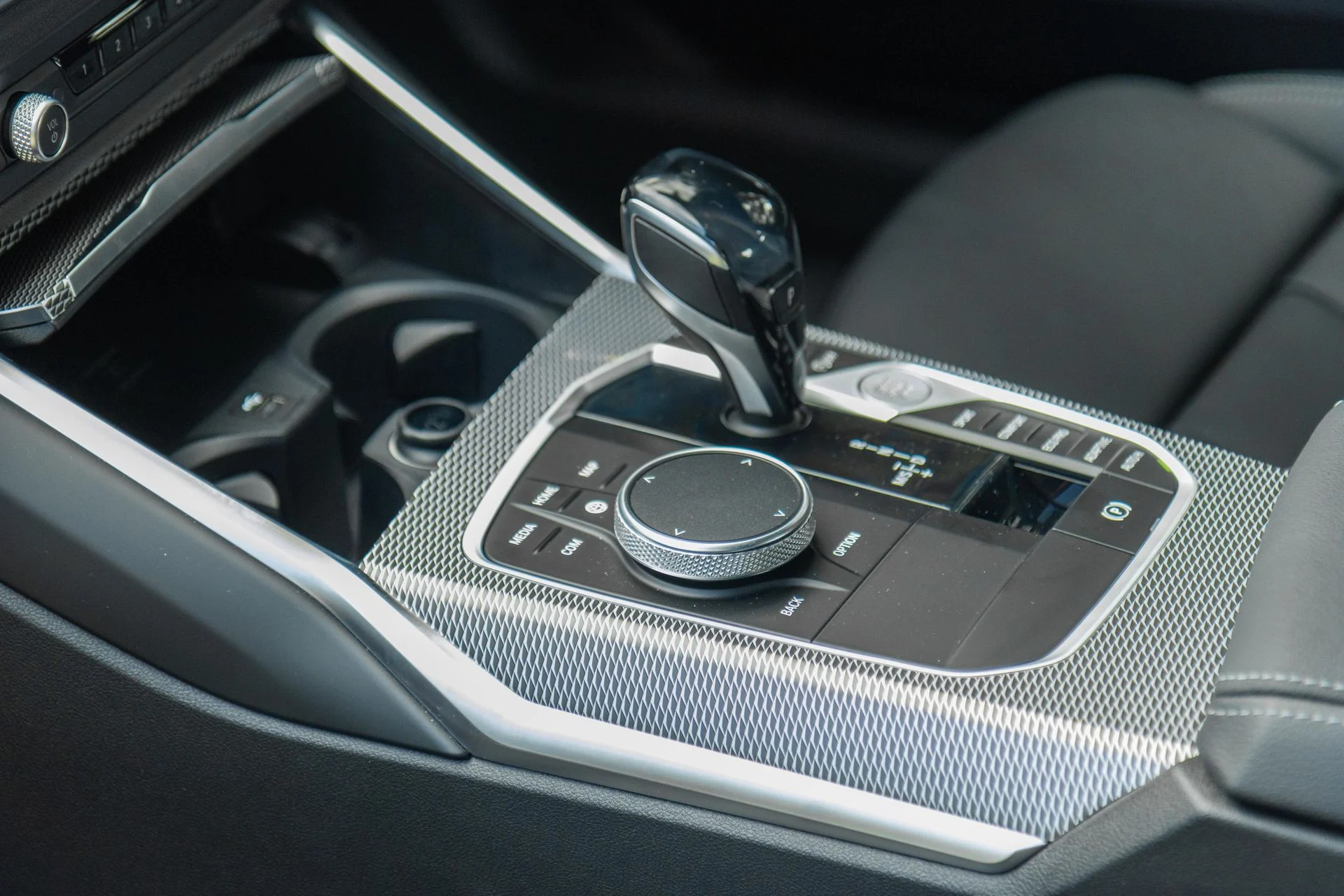
Carmakers claim the change frees up centre console space. In practice, most of them aren't doing anything useful with that space. The more likely reason is a small saving in wiring costs per vehicle — not exactly a compelling argument for redesigning a control that drivers have used the same way for more than 50 years.
Why It Matters for WA Drivers Specifically
If you drive the same car every day, you'll adapt. Muscle memory eventually rewires itself. But that's not how most Western Australians actually use vehicles.
Think about borrowing a family member's car for a weekend run down to Margaret River. Jumping into a hire car at Perth Airport before a long drive up to the Pilbara or across to Esperance. Picking up a different pool vehicle from your company's yard on a Monday morning. These are situations where you rely on controls being where you expect them — not where a designer decided they looked clever.
One real-world example: a plug-in hybrid SUV reviewed recently had the drive selector stalk doubling as the cruise control switch. Accidentally nudge it while trying to indicate right, and you risk re-engaging cruise control at freeway speed while turning into a side street. That's not a hypothetical — that's a crash waiting to happen.
On long regional drives — the kind WA demands more than almost anywhere else in the country — driver fatigue already increases the risk of control errors. Throwing non-standard controls into the mix on an unfamiliar car is asking for trouble.
The Fix Is Simple — Standardise
Australians keep their cars for five to seven years on average, with plenty of people hanging onto a vehicle for well over a decade. That means a large chunk of drivers on WA roads right now have deeply ingrained expectations about where controls sit. Scrambling those expectations across a growing number of new models isn't innovation — it's complacency dressed up as design.
Heavy machinery operators figured this out. Modern earthmoving equipment can switch between two standardised joystick layouts depending on what the operator is trained on — because getting it wrong with a 30-tonne bulldozer has obvious consequences.
Car controls should meet the same standard. If you're shopping for a new car right now, check where the drive selector actually lives before you sign anything. It's the kind of detail that doesn't come up in a brochure — but it will come up every single time you get behind the wheel.
Get WA car news in your inbox
New reviews and buying guides for Western Australian buyers.